
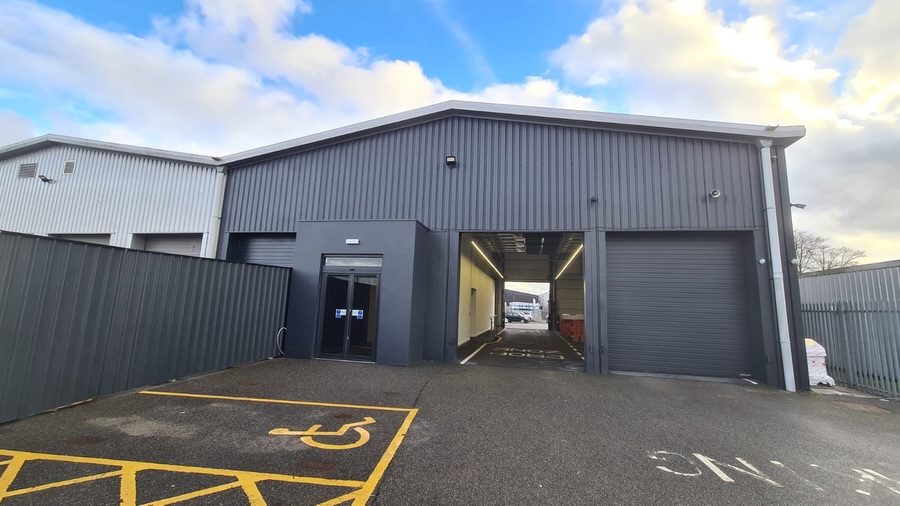
Dilapidations arise when tenants fail to maintain a leasehold property to the standard required by the lease agreement. Both parties – landlord and tenant – need clarity on what constitutes liability and how to mitigate financial exposure.
Industrial properties, particularly warehouses and manufacturing units, incur dilapidation claims far more often than residential stock. Paint failure, concrete floor degradation, and roof leaks compound rapidly in heavy-use environments.
What does dilapidation actually mean in property law?
Dilapidations are contractual breaches where a tenant fails to maintain the property fabric to the standard set out in the lease. The Landlord and Tenant Act 1927 Section 18 restricts damages to the lower of two figures: the cost to repair, or the diminution in the property's value post-repair. This cap prevents landlords claiming £50,000 in repairs when the building only loses £15,000 in market value.
A surveyor-prepared Schedule of Dilapidations itemises every defect, assigns cost estimates, and documents condition breach. Landlords can serve this during the lease term (interim schedule) or after expiry (final schedule). The document becomes the legal basis for any claim.
Compensation is calculated as: the lesser of (repair cost) OR (diminution in value). Industrial properties frequently hit this cap because heavy machinery vibration, chemical exposure, or thermal cycling cause damage that costs far more to remediate than it affects resale value.
What financial liability does dilapidation create for tenants?
Tenants face two routes to settlement: direct payment or security deposit deduction. If repair costs exceed the deposit held (often 3–6 months' rent), the tenant owes the difference – sometimes tens of thousands of pounds for industrial structures. Landlords may alternatively serve notice requiring the tenant to undertake reinstatement works before vacating.
The tenant's liability extends beyond cosmetic items. Structural elements – load-bearing walls, roof membranes, electrical distribution boards – all fall within the scope if the lease specifies full repairing obligation. Negotiation is rarely an option; the lease language controls liability, not fairness.
Which building elements are typically included in dilapidation surveys?
Interior and exterior walls account for the largest claim volume. Cracks wider than 3mm, persistent damp, failed pointing, or flaking paint trigger cost assessments. Industrial facilities using grinding, spraying, or high-temperature processes suffer accelerated coating failure.
Flooring systems require full survey – cracked concrete, spalled edges, worn epoxy coatings, and failed screed all register as defects. Industrial flooring restoration costs escalate rapidly; partial repairs rarely achieve specification match.
Roof coverings and weatherproofing are critical. Missing slate tiles, failed membrane seals, rust through on metal cladding, and blocked guttering attract substantial claims. Water ingress damage to underlying structure compounds the initial repair cost. For roof reinstatement at this scale, choosing the right industrial roofing contractor matters as much as the surveyor's schedule itself.
Windows and glazing – broken frames, inoperable mechanisms, failed seals – are straightforward defects surveyors flag. Replacement rather than repair is standard in industrial settings.
Ceilings – water stains, cracked plasterboard, loose suspended panels. Services – corroded pipes, loose electrical outlets, faulty door mechanisms. Deep cleaning – degreasing of workshop floors, removal of ingrained dirt. Note that normal wear and tear is contractually excluded; the lease defines this threshold, usually meaning minor surface wear is acceptable, structural or system failure is not.
How can tenants reduce dilapidation risk before lease end?
Request a Schedule of Condition at lease commencement. This photographic and written record protects tenants by establishing the baseline state. Any defects present at handover cannot be attributed to the tenant later.
Photograph the property systematically – all walls, floors, roof access points, mechanical rooms – on day one. Store images with timestamps and metadata. This evidence is decisive if disputes arise.
Obtain written landlord consent for any alterations, fixtures, or invasive maintenance. Installing machinery mounts, running new cabling, or reconfiguring layouts without approval invites later claims that you damaged the building.
Perform preventive maintenance every quarter. Industrial surfaces degrade nonlinearly; small repairs now prevent major industrial painting or flooring replacement later. Keep maintenance logs and receipts.
Engage a surveyor 12 months before lease expiry to conduct a pre-terminal inspection. Identify emerging defects and remedy them while you control the scope and cost.
How can landlords protect themselves through lease management?
Collect security deposit equal to 3–6 months' rent. This creates a financial buffer and incentivises tenant accountability. Document the deposit amount and terms in writing.
Prepare a Schedule of Condition at lease start. Photograph every surface, note existing defects, and sign jointly with the tenant. This baseline eliminates disputes about pre-existing damage.
Request tenant references from previous landlords. Ask specifically about maintenance standards and deposit disputes. Poor history flags risk.
Conduct inspections on a fixed schedule – every 3–6 months for industrial properties, annually for lighter-use stock. Record findings photographically and in writing. If defects emerge mid-lease, serve interim notice to allow remediation before lease end.
Instruct a RICS-qualified surveyor to prepare the final Schedule of Dilapidations 4–6 weeks before lease expiry. Early service gives the tenant time to negotiate or remedy voluntarily, reducing dispute escalation.
What role does the surveyor play in dilapidations assessment?
Surveyors measure, cost, and prioritise defects. They apply the RICS Dilapidations Guidance Note to distinguish between items the tenant must remedy (lease obligation) and items the landlord must maintain (structural elements, services). Their costing protects both parties by establishing market-rate repair costs, not inflated claims.
A competent surveyor report withstands legal challenge. This matters because disputed schedules often proceed to court, where judicial assessment of reasonableness determines the final award.
What happens if tenant and landlord disagree on the schedule?
Negotiation is the first step. If the tenant disputes individual line items, they can propose alternative repair methods or costs. Landlords may accept partial remediation if market value is not materially affected.
If agreement fails, the dispute proceeds to adjudication or court. The judge applies Section 18 of the Landlord and Tenant Act, comparing repair cost against diminution in value, and typically awards the lower figure. Litigation is expensive; settlement usually makes financial sense for both parties.
Dilapidations claims can exceed £100,000 on large industrial units. Early professional assessment and transparent communication reduce escalation risk and preserve business relationships.
How can Anglia Decor support dilapidation remediation?
Anglia Decor delivers the full scope of dilapidations reinstatement – commercial painting and decorating, industrial flooring restoration, and industrial roofing repair. We work from surveyor specifications and timescales, ensuring compliance and minimising tenant liability.
Contact Anglia Decor by email, phone, or online form to discuss your dilapidations project. We'll provide a fixed-price quote tied to the surveyor schedule.