Heritage & Listed Building Painting Services
Listed buildings and period properties require specialist painting approaches that preserve historic character while meeting modern durability standards. Anglia Decor applies lime-based paints, heritage-specification finishes and colour schemes appropriate to building age and architectural style. We work with conservation officers and building control to deliver decorations that enhance rather than damage irreplaceable structures.
For tendering enquiries, please email info@angliadecor.co.uk
Heritage Painting & Conservation
Heritage painting differs fundamentally from modern commercial painting. Listed buildings typically have lime mortar, hand-made bricks and early plaster finishes that breathe and move with seasonal humidity changes. Modern acrylic paints trap moisture behind impermeable films, causing salt crystallisation, efflorescence and structural damage to historic masonry. Anglia Decor specifies lime-based paints, clay finishes and other breathable coatings that allow moisture to evaporate whilst providing protection. These materials are appropriate to the building's original construction and preserve long-term structural integrity.
Heritage colour matching is critical. Anglia Decor identifies original colours through paint scraping and analysis, then sources period-appropriate pigments from specialist suppliers. Historic buildings often featured subtle, earthy tones, ochres, soft reds, blacks and greens, rather than the bright whites and colour blocks of modern schemes. Anglia Decor's industrial painting covers churches, chapels, stately homes, Georgian and Victorian properties where accurate colour restoration strengthens historic authenticity and property value.
Consent requirements are mandatory. Listed building consent is required before any external or internal decorative work on properties in England and Wales. Anglia Decor liaises with local conservation officers, providing specifications and colour samples for approval before starting work. We manage the consent application process, ensuring specifications meet conservation standards and avoid penalties for unauthorised work. Internal features like panelling, mouldings and heritage plasterwork often require consent even for redecoration.
Period Property Preparation & Church Painting
Preparation on period properties is meticulous. Historic surfaces frequently feature multiple paint layers, some containing lead, which must be removed carefully and disposed of safely under environmental regulations. Anglia Decor uses non-destructive methods where possible, gentle blasting with specialist media, careful scraping and chemical stripping, to avoid damage to underlying brickwork or plaster. Newly exposed masonry is assessed for salts, efflorescence and prior water damage before finish application.
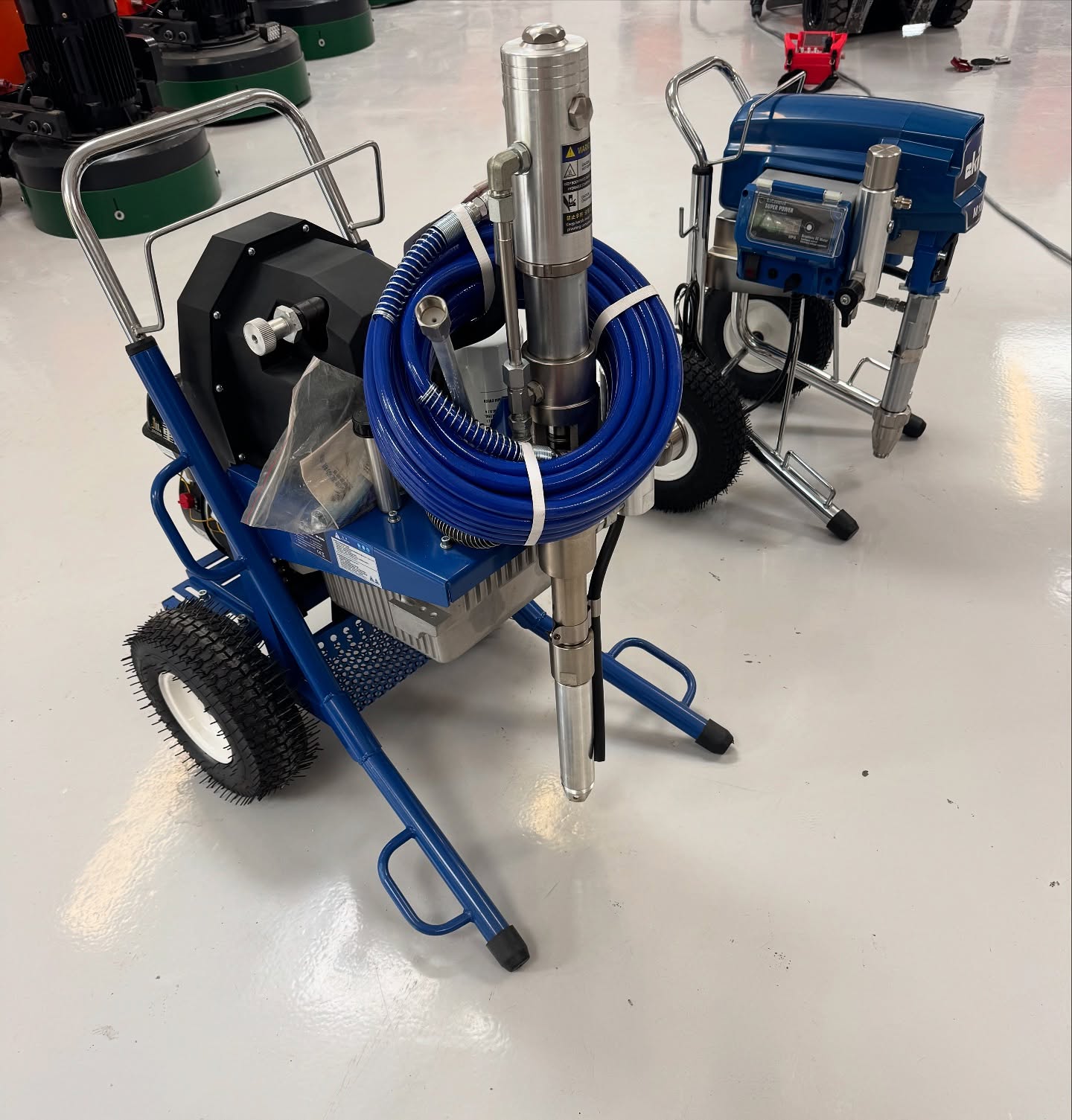
Church and chapel painting represents a specialisation within heritage work. Ecclesiastical buildings often feature complex stonework, lead flashings, slate roofs and interior plasterwork that deteriorate rapidly if painted with unsuitable modern products. Anglia Decor has experience decorating Grade I and Grade II* listed churches across East Anglia, specifying lime washes, breathable primers and finishes that protect historic masonry without trapping moisture. on-site spraying for large internal areas like nave ceilings and exterior stonework minimises labour time and delivers consistent finish quality.
For offices, museum interiors and visitor reception spaces inside heritage buildings, our commercial painting and decorating teams handle modern finishes while keeping the consented heritage scheme on the protected elevations. Working with conservation officers requires understanding heritage standards and historical accuracy. Anglia Decor maintains relationships with local authority conservation teams and understands the listing criteria that guide decorative choices. We advise on colour, material selection and historic appropriateness before specification, reducing the likelihood of consent refusal and ensuring the finished work meets conservation expectations. This collaborative approach protects your investment and maintains the building's historic status and value.

Heritage Building Needing Decoration?
Specialist painting for listed buildings and period properties. Free consultation and consent guidance.
How It Works
Our straightforward process ensures you get the right solution with minimum hassle
Building Assessment
Survey the property, identify original materials and analyse paint history.
Consent & Specification
Liaise with conservation officers and prepare listed building consent application.
Careful Preparation
Non-destructive removal of existing coatings and lead paint where present.
Heritage Application
Apply lime-based paints and breathable coatings to conservation standards.
For tendering enquiries, please email info@angliadecor.co.uk
Why Businesses Trust Anglia Decor for Heritage Decorations
Trusted by businesses across the UK for expert, reliable service
Heritage Experience
Grade I and Grade II* listed buildings across East Anglia.
Conservation Compliance
Full consent management and conservation officer liaison.
Breathable Coatings
Lime-based paints, clay finishes and heritage-specification systems.
Colour Analysis
Paint scraping and laboratory analysis to identify original colours.
Lead Paint Removal
Safe removal and disposal under environmental regulations.
Church Specialists
Ecclesiastical building painting with specialist heritage finishes.
Case Studies
Real projects delivered by Anglia Decor. See the work we've completed for businesses like yours.
Trusted by leading brands






Frequently Asked Questions
Why can't I use modern acrylic paint on listed buildings?
Modern acrylic creates an impermeable barrier that traps moisture in historic masonry. Trapped water causes salt crystallisation, efflorescence, freeze-thaw damage and internal decay of lime mortar and plaster. Lime-based paints allow masonry to breathe, moisture to evaporate, and the building to remain in good condition long-term.
Do I need listed building consent for repainting internal walls?
Consent requirements vary. External work always requires consent. Internal decorative redecoration of plain walls often doesn't, but work involving historic panelling, mouldings, shutters or plasterwork typically does. Anglia Decor advises on your specific property to establish what requires formal consent.
How do you identify original paint colours on historic buildings?
Anglia Decor scrapes through paint layers to identify original colours, then sends samples for laboratory analysis to determine pigments and paint types. We source specialist suppliers who stock period pigments and lime-based binders matching the original formulation. This ensures colour authenticity and historic appropriateness.
How long does listed building consent take?
Typically 8–12 weeks from application to approval, depending on complexity and local authority workload. Simple colour selection and specification may be approved in 6–8 weeks. Anglia Decor prepares consent applications with conservation officer input to maximise approval likelihood and avoid delays caused by incomplete specifications.
Can you paint over existing lead paint on historic properties?
Lead paint must be removed according to UK environmental and health regulations. Anglia Decor uses containment and safe removal methods, with waste disposed of via licensed facilities. Non-destructive methods minimise damage to underlying surfaces. Lead removal adds cost and time but is legally required before applying new finishes.
What if the conservation officer rejects my colour choice?
Anglia Decor works with officers during the consent process to identify colours that satisfy conservation requirements. If initial proposals are rejected, we revise the specification and resubmit. Understanding conservation criteria and officer expectations beforehand reduces rejections and keeps projects on schedule.

Ready to Start Your Heritage Decorations Project?
Our heritage decorations specialists will assess your facility and provide a tailored solution with minimal downtime.