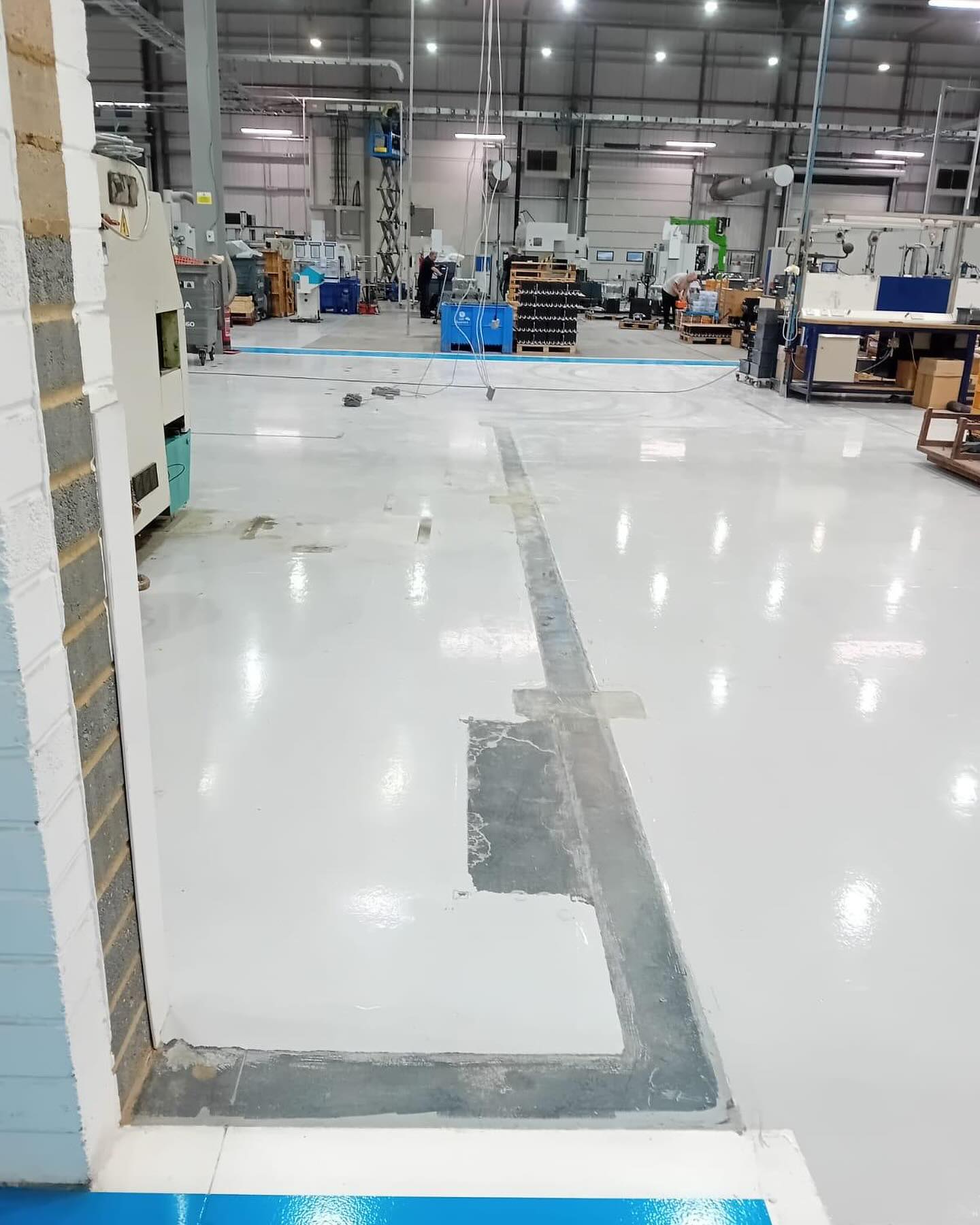
Hygienic Flooring
Seamless, non-porous resin with coved skirting. No joints, no grout lines, no dirt traps. Used in healthcare, pharma, cleanrooms and food environments where contamination control isn't optional.
For tendering enquiries, please email info@angliadecor.co.uk
Seamless Non-Porous Flooring Systems
Hygienic flooring is specified wherever contamination control, bacterial resistance, and auditable cleanliness are non-negotiable. Pharmaceutical manufacturing, hospital corridors and operating theatres, cleanrooms, biotechnology laboratories, veterinary facilities, and food production plants all require floors that can be cleaned to verifiable standards and resist bacterial colonisation between cleaning cycles. Standard flooring materials, tiles, vinyl, painted concrete, fail these requirements because joints, grout lines, seams, and surface porosity all harbour microorganisms that cleaning cannot fully remove.
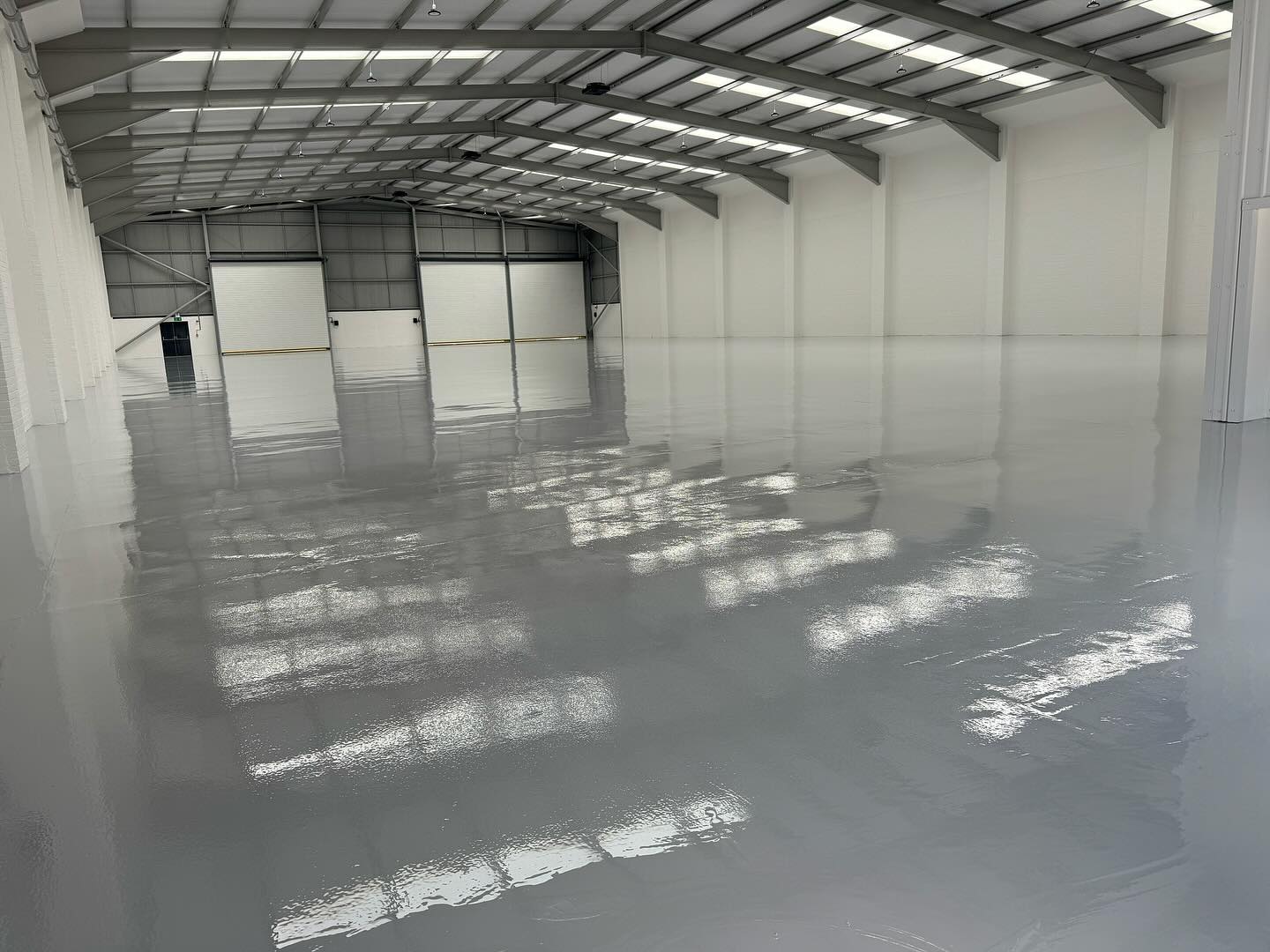
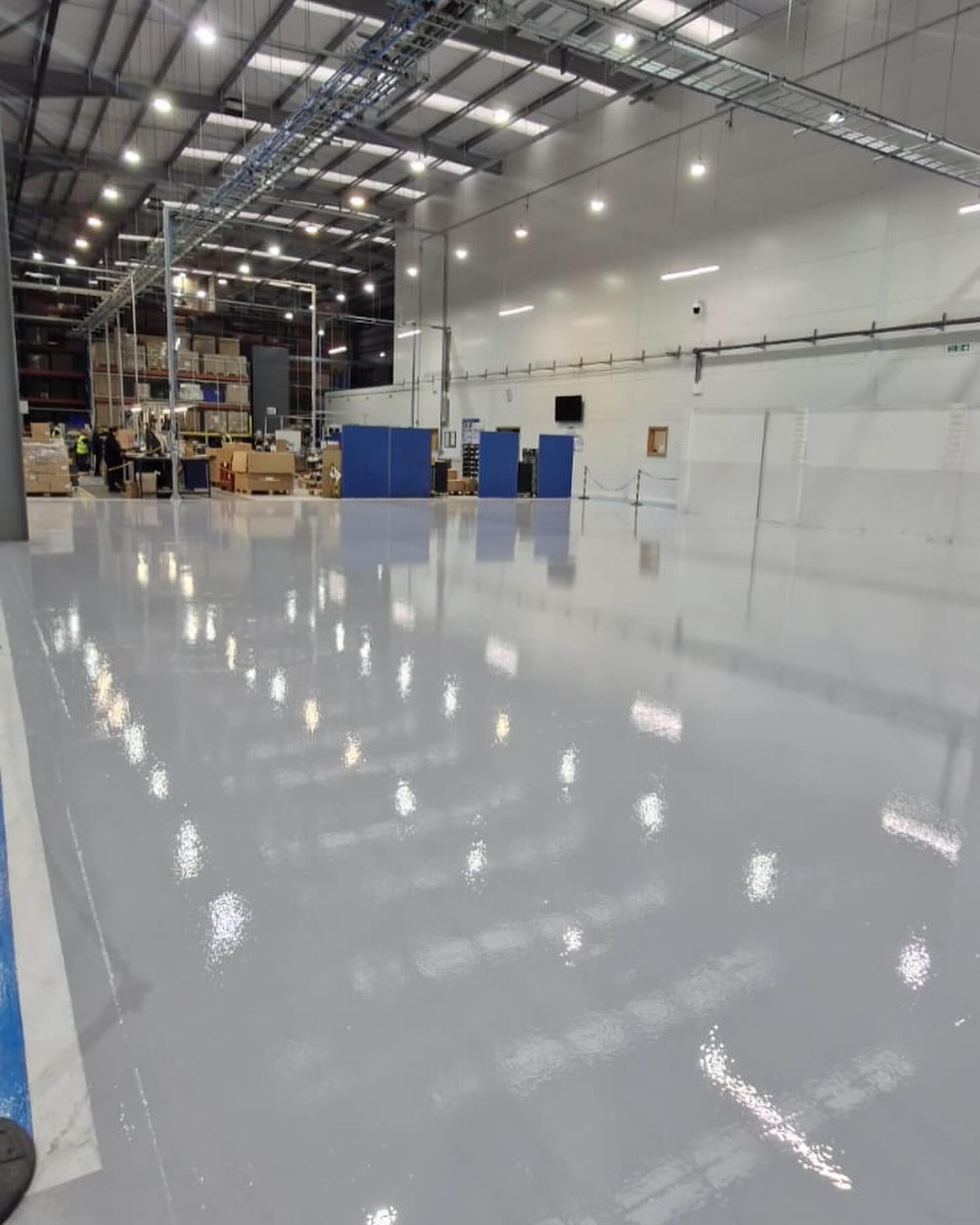
Seamless resin flooring eliminates every joint, seam, and porous surface that bacteria exploit. The continuous, non-porous finish creates a barrier with no crevices, grout lines, or exposed aggregate where contaminants can accumulate. Coved skirting curves the floor surface up the wall, eliminating the 90-degree floor-wall junction, the single most common harbourage point in any facility. The result is a surface that can be cleaned, sanitised, and verified to microbial standards in a fraction of the time required for jointed or porous alternatives.
Anglia Decor installs hygienic flooring systems across pharmaceutical production facilities, NHS and private hospitals, university and commercial laboratories, cleanrooms (ISO Class 5-8), veterinary surgeries and animal research facilities, and food production plants. We specify polyurethane systems for environments with thermal shock and wet cleaning, epoxy for dry pharmaceutical manufacturing, and MMA where installation must be completed within hours to minimise facility downtime.
Healthcare & Pharmaceutical Compliance
Pharmaceutical manufacturing facilities require flooring that meets Good Manufacturing Practice (GMP) standards. The floor must be seamless, cleanable to validated standards, resistant to the chemicals used in production and cleaning, and non-particle-shedding. In tablet pressing areas, the floor must resist fine powder accumulation and be easy to wipe clean between batches to prevent cross-contamination. In liquid pharmaceutical manufacturing and fill-finish areas, chemical resistance to active ingredients, solvents, and cleaning agents is critical. Anglia Decor specifies pharmaceutical-grade epoxy and polyurethane systems with antimicrobial additives where required by the client's quality management system.
Healthcare environments, hospital corridors, operating theatres, A&E departments, and clinical laboratories, need floors that support infection control protocols. The seamless surface reduces Healthcare Associated Infection (HAI) risk by eliminating harbourage points. In operating theatres and critical care areas, anti-static properties may also be required to protect sensitive monitoring and surgical equipment. Anglia Decor coordinates hospital floor installations around patient flow, clinical schedules, and infection control requirements, work is typically phased corridor by corridor or ward by ward during quieter periods.
Cleanroom flooring (ISO 14644 Class 5-8) demands the highest specification. The floor must not generate particles, must resist the aggressive cleaning chemicals used in cleanroom maintenance, and must maintain its surface integrity under regular decontamination cycles. Epoxy and polyurethane systems with smooth, high-gloss finishes minimise particle retention and make contamination visible during cleaning verification. Coved skirting and sealed service penetrations ensure the cleanroom envelope is maintained at floor level.
View Some of Our Flooring Work
Swipe to see more images

Healthcare or Cleanroom Flooring?
Seamless, non-porous systems for contamination control. Pharmaceutical-grade options.
How It Works
Our straightforward process ensures you get the right solution with minimum hassle
Facility Survey & Assessment
Evaluate contamination risks and compliance needs.
Specification & Planning
Select hygienic flooring specification meeting healthcare standards.
Surface Preparation
Prepare substrate in controlled environment to prevent contamination.
Installation & Certification
Apply seamless flooring with compliance documentation.
For tendering enquiries, please email info@angliadecor.co.uk
Why Businesses Trust Anglia Decor for Hygienic Flooring
Trusted by businesses across the UK for expert, reliable service
Healthcare & Pharma Specialist
Extensive cleanroom, hospital, and pharmaceutical facility experience.
Contamination Control
Seamless, non-porous design prevents contamination sources.
Dirt Trap Elimination
Coved skirting removes all joints and grout lines.
Pharmaceutical Grade
Meets highest hygiene and purity standards.
Cleanroom Compatible
Works in ISO Class cleanrooms with particle control.
Easy Decontamination
Seamless design makes cleaning and decontamination simple.
Case Studies
Real projects delivered by Anglia Decor. See the work we've completed for businesses like yours.
Trusted by leading brands






Frequently Asked Questions
What makes flooring non-porous and hygienic?
Seamless resin flooring creates a continuous, monolithic surface with no joints, grout lines, or porous areas where bacteria can harbour. The resin bonds to prepared concrete and forms a non-absorbent barrier, liquids, chemicals, and biological contaminants sit on the surface and clean away completely. This is fundamentally different from tiles (porous grout lines), vinyl (welded seams), and painted concrete (surface porosity).
How do coved skirtings improve contamination control?
Coved skirting curves the floor surface up the wall (typically 75-100mm radius), eliminating the 90-degree floor-wall junction where dirt, moisture, and bacteria accumulate. This is the single most effective contamination control measure at floor level. Combined with the seamless floor surface, it creates a continuous cleanable surface from wall to wall and floor to wall height with no gaps, joints, or unreachable corners.
Is hygienic flooring suitable for cleanrooms?
Yes. Hygienic resin flooring meets ISO 14644 cleanroom requirements for Classes 5-8. The resin is non-particle-shedding, meaning it does not generate airborne contaminants under traffic. Smooth, high-gloss finishes minimise particle retention. Anti-static properties can be incorporated for environments where electrostatic charge attracts particles to surfaces. Coved skirting and sealed service penetrations maintain the cleanroom envelope at floor level.
What healthcare compliance standards does the flooring meet?
Hygienic flooring supports NHS infection control standards, CQC requirements, and healthcare facility regulations. The seamless, non-porous surface reduces Healthcare Associated Infection (HAI) risk by eliminating bacterial harbourage points. In operating theatres and critical care areas, anti-static and antimicrobial properties can be specified. Full compliance documentation is provided with every healthcare installation.
How do you maintain hygienic flooring in a hospital?
Hospital-grade hygienic floors are cleaned using standard NHS infection control protocols, mopping with approved disinfectants, machine scrubbing, and periodic deep cleaning. The seamless, non-porous surface withstands all common hospital cleaning chemicals including chlorine-based agents, quaternary ammonium compounds, and hydrogen peroxide. No specialist products or procedures are needed beyond standard healthcare cleaning regimes.

Ready to Start Your Hygienic Flooring Project?
Our hygienic flooring specialists will assess your facility and provide a tailored solution with minimal downtime.