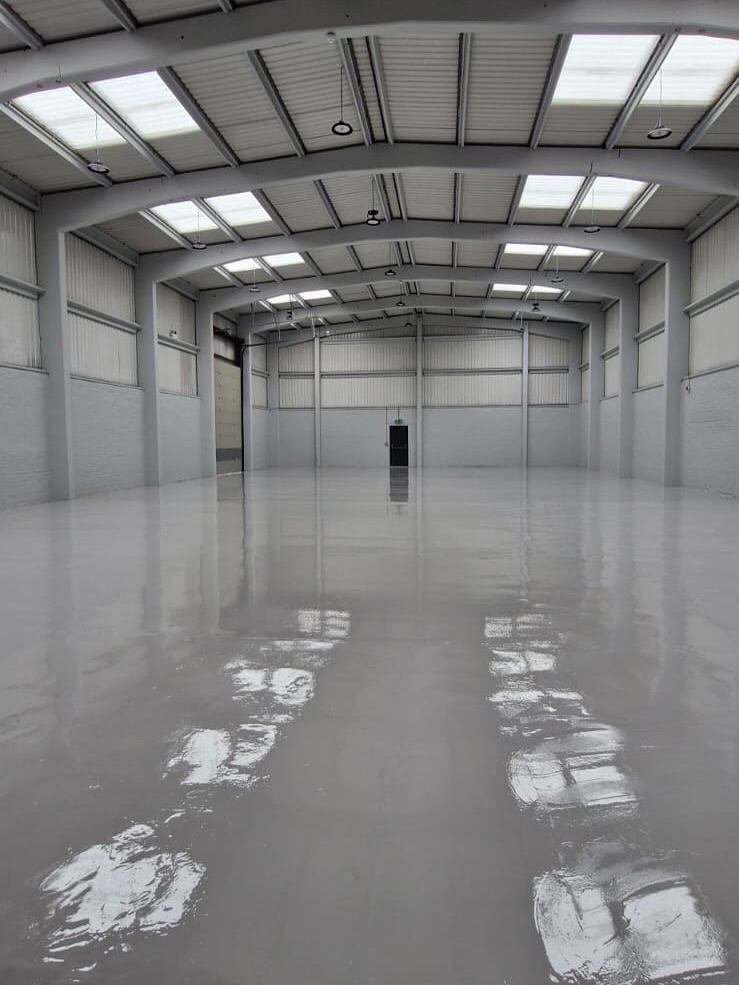
Polyurethane Resin Flooring
Anglia Decor are specialist polyurethane flooring contractors installing PU screeds for food production, commercial kitchens, cold storage and pharmaceutical manufacturing. Thermal shock, moisture, heavy traffic, we spec the system that handles it all without cracking or lifting.
For tendering enquiries, please email info@angliadecor.co.uk
Polyurethane Flooring Service for Food and Industrial Environments
Polyurethane flooring is built on a polyurethane binder blended with graded aggregates that form a dense, impact-resistant surface bonded to prepared concrete. The PU molecule has inherent elasticity that allows the floor to flex and absorb shock without fracturing. A property that sets it apart from rigid epoxy systems. That flexibility is what makes polyurethane the standard choice for production environments where thermal cycling is part of normal operation: ovens and hot production lines sitting next to cold storage zones, or blast freezers next to warm packaging areas.
In food and beverage production, thermal shock is constant. A hot cleaning cycle followed by cold-store operation puts stress on a rigid epoxy floor. It expands and contracts, edges lift, and hairline cracks open up, letting moisture and bacteria underneath the coating. A polyurethane screed classified under FeRFA Type 8 (heavy-duty screed at 6mm thickness or above) tolerates those temperature swings without degradation. The seamless, non-porous surface resists oils, greases, and chemical spillage from sanitiser use, and steam cleaning won't degrade the coating or leave permanent marks. Polyurethane flooring also delivers superior moisture tolerance compared to epoxy, so damp substrates are less likely to cause system failure. For food production flooring specifications, that combination (thermal tolerance, moisture resistance, and hygienic seamlessness) is what makes PU the go-to material.
Anglia Decor specifies polyurethane systems using FeRFA classifications: Type 6 screeds at 4mm thickness for general industrial use, Type 7 self-levelling systems at 4 to 6mm for fast application with minimal aggregate, and Type 8 heavy-duty screeds at 6 to 9mm for maximum impact and chemical resistance. The binder is mixed with graded silica and synthetic aggregates to achieve the density and finish the site demands. Textured finishes for grip on wet floors, or smooth finishes where a seamless seal is the priority.
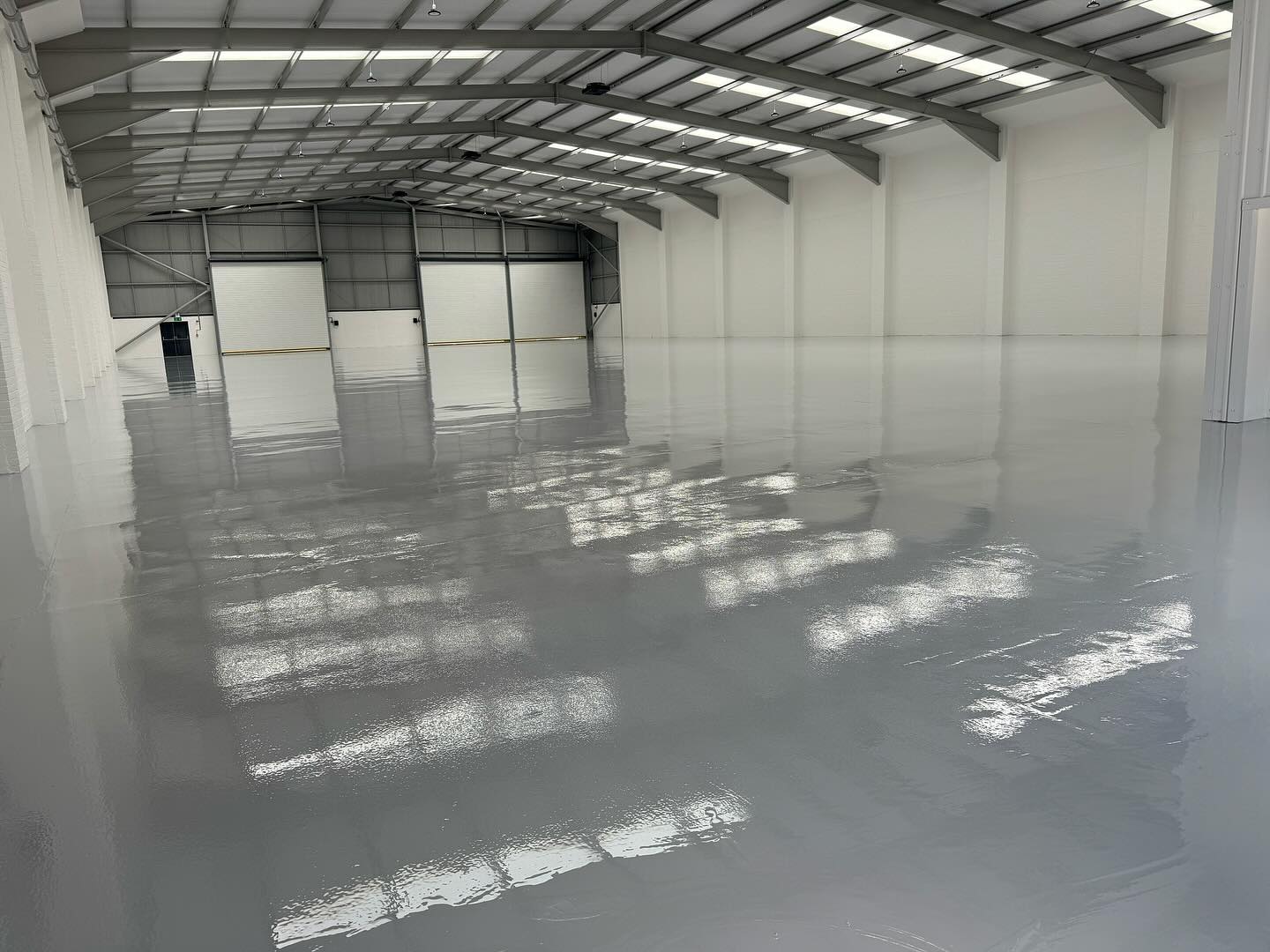
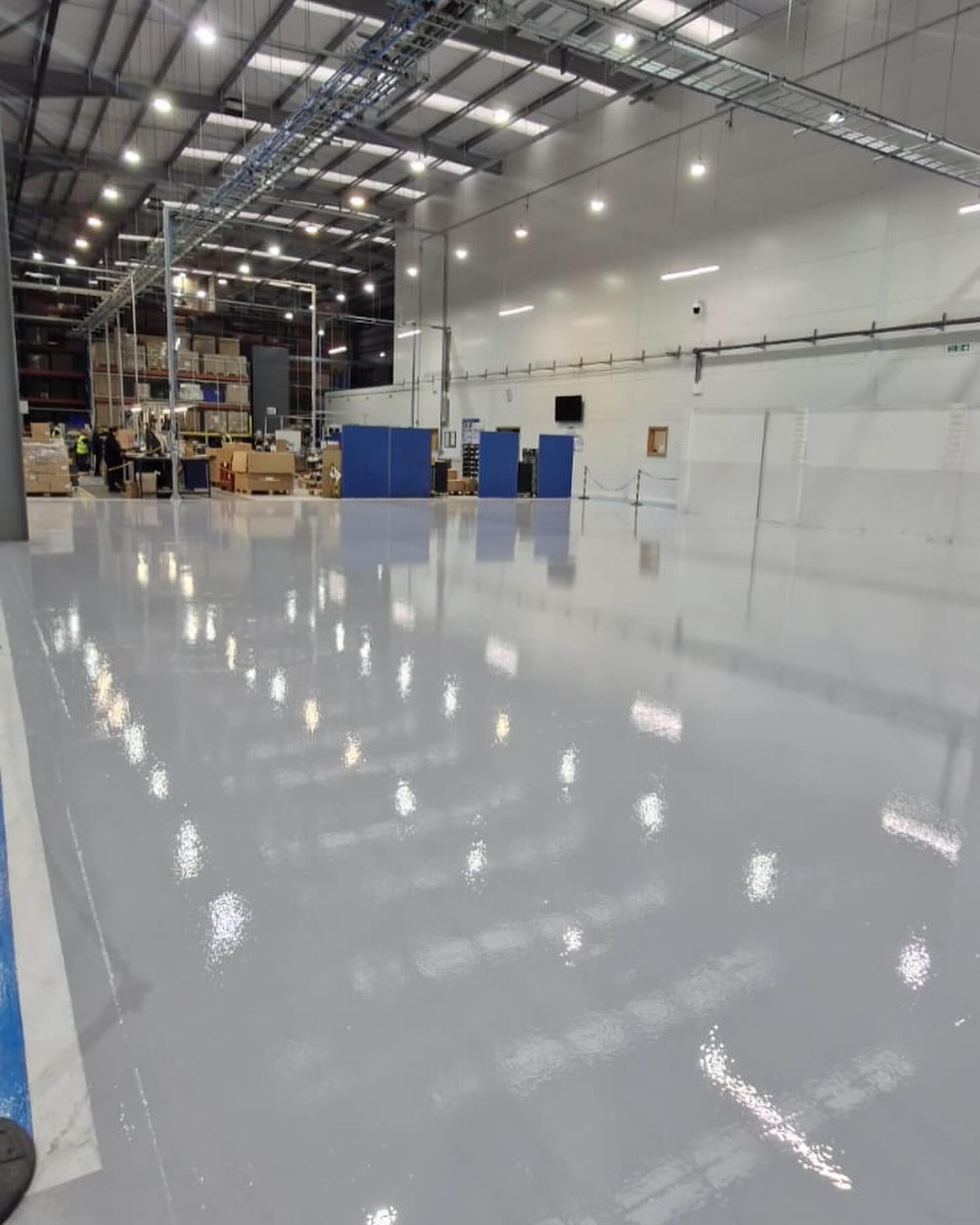
PU Floor Installation by Specialist Contractors
Installation of a polyurethane system starts with a detailed site survey and substrate assessment. Anglia Decor's team checks for moisture, measures existing surface condition, and reviews how the facility operates. Production cycles, temperature ranges, chemical exposures, and cleaning regimes. Before specifying the PU system type, thickness, and finish. Diamond grinding or shot blasting removes the old surface layer, strips out contaminants, opens the concrete pore structure, and creates a mechanical key for the polyurethane to bond to. If moisture is detected in the slab, a moisture-tolerant primer or damp-proof membrane is applied before the PU system goes down. Skipping that step leads to system failure. Moisture trapped beneath the coating will cause adhesion loss within weeks.
Polyurethane screeds are applied in controlled conditions with temperature and humidity monitoring throughout the cure cycle. A primer layer establishes initial adhesion, then the body coat (the main system thickness) is trowelled or self-levelled to the specified profile. 3–4mm for self-levelling PU systems, or 6–9mm for heavy-duty trowelled FeRFA Type 8 screeds. A seal coat may follow depending on the performance specification. Cure times are longer than epoxy. Typically 48 to 72 hours before foot traffic, and 5 to 7 days before full operational use with machinery and cleaning. That extended cure requires site scheduling and planning. A typical 500 m² cold storage or food production floor takes 3 to 4 working days from surface prep through final seal, and hygienic flooring systems must be specified with joint detailing around drains, wall upstands, and pipe penetrations so the floor remains fully sealed against moisture ingress.
Anglia Decor has been installing polyurethane floors in food processing plants, commercial kitchens, breweries, and pharmaceutical facilities for over 15 years. Work on live production sites is scheduled around operational hours. Night shifts, weekend closures, or phased rollouts over multiple site visits so the business keeps running. Level checking and thickness monitoring are carried out during and after application to ensure every area meets specification. Once cured, a polyurethane floor in a well-operated food production or commercial kitchen environment typically delivers 12 to 15 years of service life with planned maintenance and periodic recoating.
How It Works
Our straightforward process ensures you get the right solution with minimum hassle
Site Survey & Assessment
We assess temperature conditions, foot traffic, and specific requirements.
Specification & Planning
Match PU system to thermal and chemical environment, provide fixed pricing.
Surface Preparation
Surface cleaning, repairs, and priming for optimal adhesion.
Polyurethane Application & Completion
Professional installation with quality testing and handover.
For tendering enquiries, please email info@angliadecor.co.uk
Why Businesses Trust Anglia Decor for Polyurethane Resin Flooring
Trusted by businesses across the UK for expert, reliable service
Thermal Shock Specialist
Extensive experience in food production and cold storage facilities.
Temperature Resistant
Flexible systems withstand extreme thermal cycling without cracking.
Food-Safe & HACCP Ready
Hygienic design meets all food production standards.
Steam Cleanable
Withstands high-temperature steam and frequent cleaning.
Seamless & Non-Porous
Integral coved skirting prevents contamination traps.
Proven Track Record
Trusted by leading food manufacturers and bakeries.
Case Studies
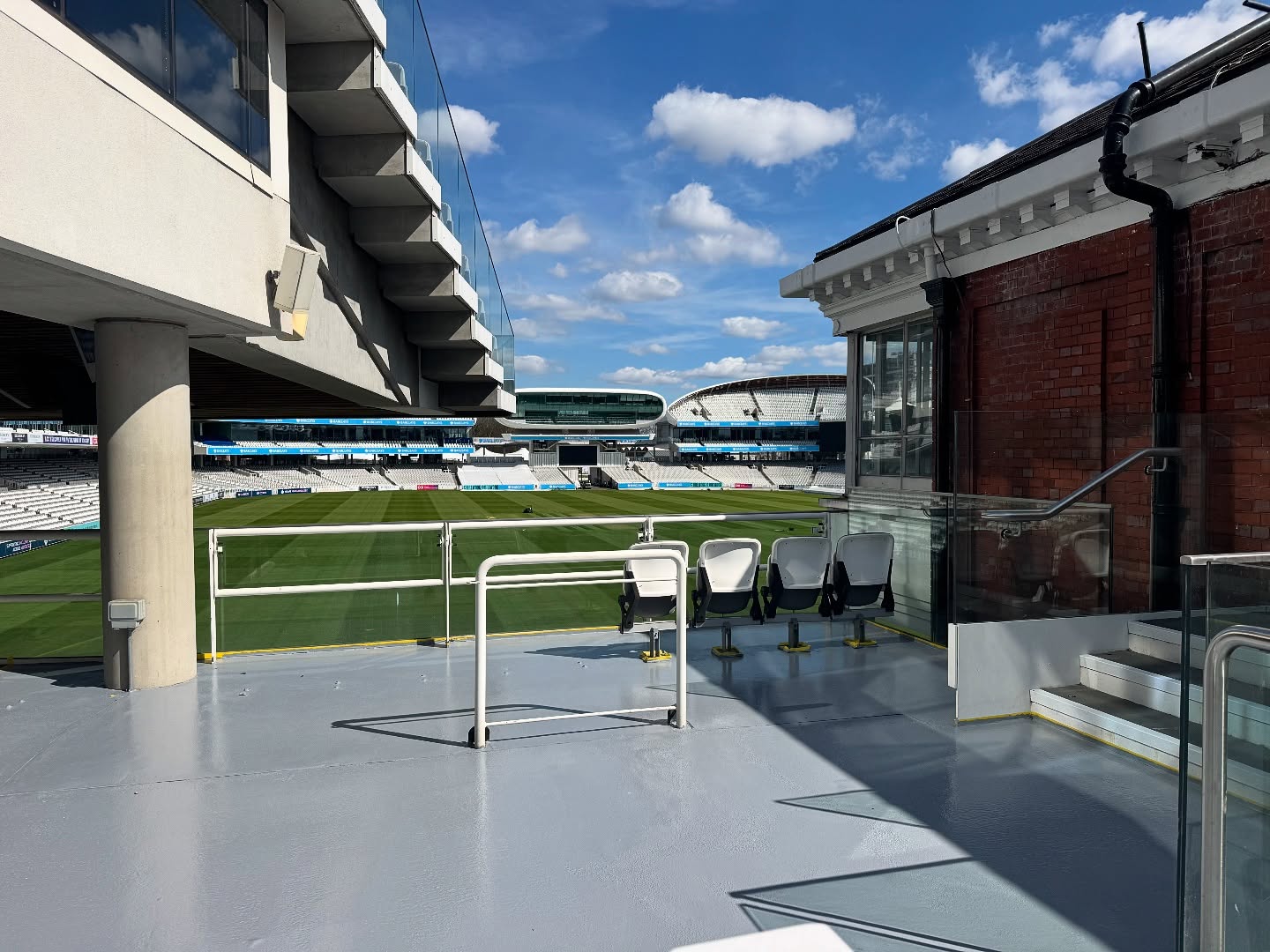
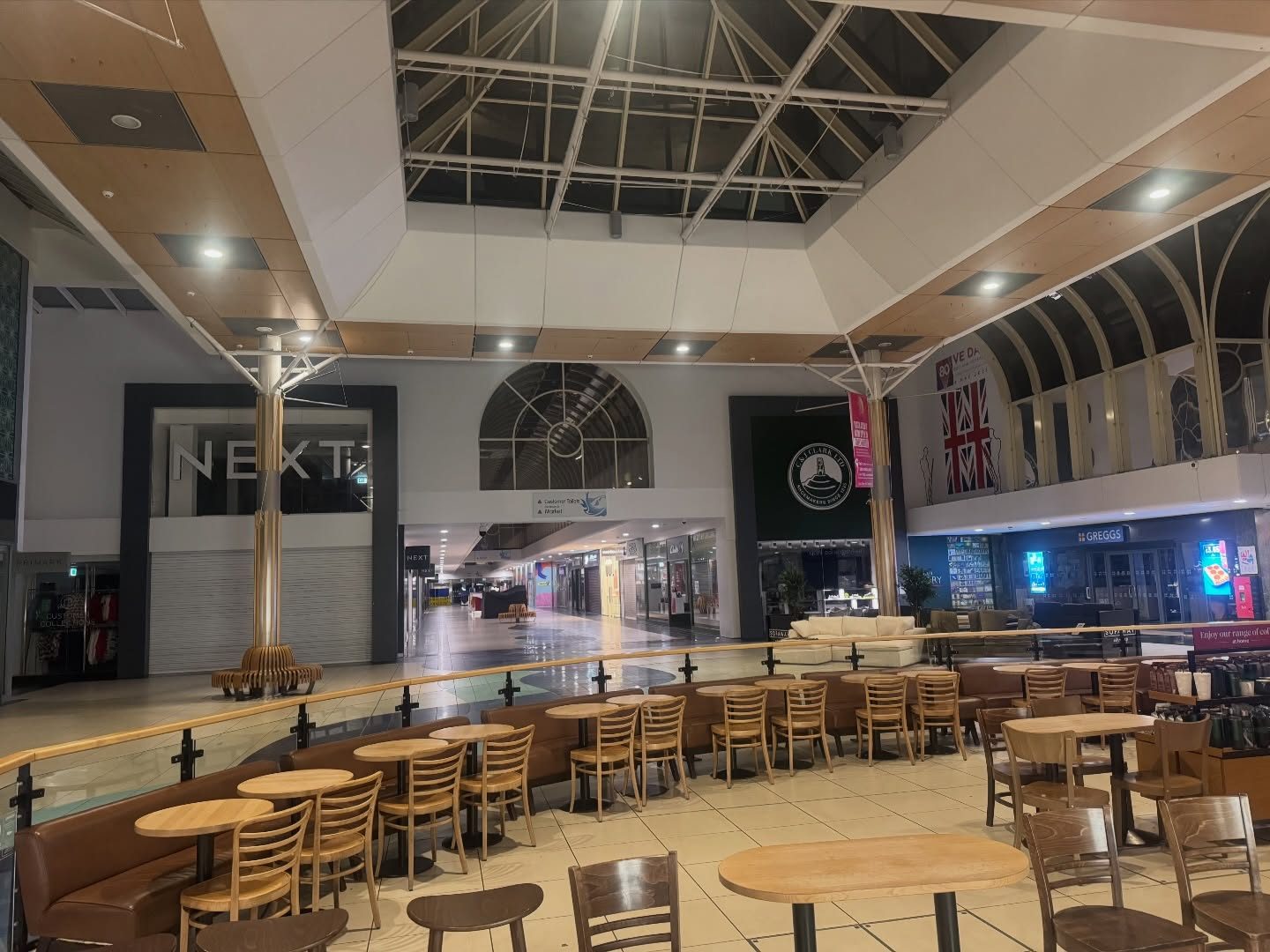
Real projects delivered by Anglia Decor. See the work we've completed for businesses like yours.
Trusted by leading brands






Frequently Asked Questions
What is polyurethane flooring used for?
Polyurethane flooring is used in food production, commercial kitchens, breweries, cold storage, pharmaceutical manufacturing, and any environment with thermal cycling, moisture, or aggressive chemical exposure. The elasticity and moisture tolerance make it ideal where epoxy would fail.
How thick should polyurethane flooring be?
Thickness depends on use. Self-levelling systems are typically 3–4mm, FeRFA Type 6 screeds are 4mm, Type 7 are 4–6mm, and heavy-duty Type 8 are 6–9mm. Anglia Decor specifies thickness based on your traffic, thermal cycling, and chemical exposure.
Does polyurethane flooring withstand heat?
Yes. Polyurethane screeds at 8mm thickness withstand direct heat up to 80°C without degradation, and the flexible PU binder resists thermal shock from temperature cycling between hot production lines and cold storage zones.
Is polyurethane flooring seamless?
Yes. Polyurethane systems are applied as seamless, monolithic surfaces with no joints or seams that allow moisture or bacteria to penetrate. That's why they're the standard for food production and hygienic environments.
How long does polyurethane flooring take to cure?
Polyurethane cure is longer than epoxy: typically 48–72 hours before foot traffic, and 5–7 days before full machinery use and cleaning operations. Anglia Decor schedules work to match your operational downtime.
Can you install polyurethane flooring on a damp concrete slab?
Yes, with moisture management. A moisture barrier or moisture-tolerant primer is applied first if the substrate has high moisture. That's where most PU installations succeed or fail. Proper damp management upfront prevents system failure later.


Ready to Start Your Polyurethane Resin Flooring Project?
Our polyurethane resin flooring specialists will assess your facility and provide a tailored solution with minimal downtime.