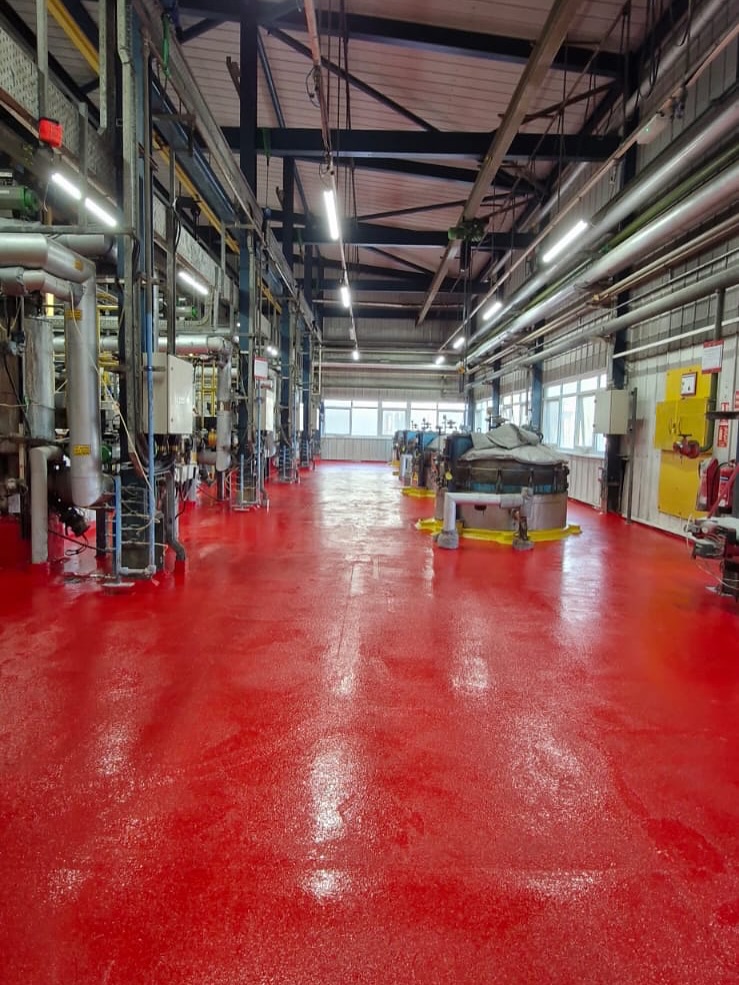
Chemical Resistant Flooring
Anglia Decor are specialist chemical resistant flooring contractors. High-build solvent-free epoxy, PU resin screeds, vinyl ester systems, Skydrol-resistant flooring (airplane fuel spill resistant) and acid-resistant systems for laboratories, manufacturing plants, aviation hangars and chemical storage facilities. We match the resin system to your chemical exposure profile so it doesn't break down in six months.
For tendering enquiries, please email info@angliadecor.co.uk
Chemical Resistant Resin Flooring Contractors
Chemical exposure is relentless. Sulfuric acid, hydrochloric acid, sodium hydroxide, hydraulic fluid, battery acid, aggressive degreasers, and industrial solvents all attack unprotected concrete. Standard concrete absorbs these chemicals, stains permanently, deteriorates from the inside out, and becomes a contamination risk, spreading hazardous residues and creating slip hazards that can breach COSHH and environmental containment regulations.
For most industrial environments, high-build solvent-free epoxy systems deliver excellent chemical resistance at a sensible price. Most resin systems will cope with acids and alkalis so long as spills aren't left on the surface, routine wash-down keeps the floor inert and protected. Where exposure is more aggressive or sustained, PU resin screeds offer superior chemical resistance combined with thermal shock tolerance and impact strength, ideal for food processing, breweries, and workshops handling hot wash-down. Vinyl ester systems provide an alternative for caustic and alkaline environments, with faster cure times and extended service life.
For aviation maintenance facilities and hangars, we install Skydrol-resistant resin flooring, engineered to withstand airplane hydraulic fluid spills that would destroy standard epoxy systems. Seamless, joint-free surfaces are critical in chemical-resistant applications. Every seam, crack, and repair must be sealed or it becomes a path for chemicals to penetrate underneath the coating and compromise the entire floor. Anglia Decor's seamless specifications eliminate those weak points and create an impervious barrier. Textured aggregate finishes hold grip when surfaces are wet with water, solvents, or cleaning agents, reducing slip risk around storage tanks, bund linings, secondary containment areas, and aggressive wash-down zones where housekeeping demands are high.
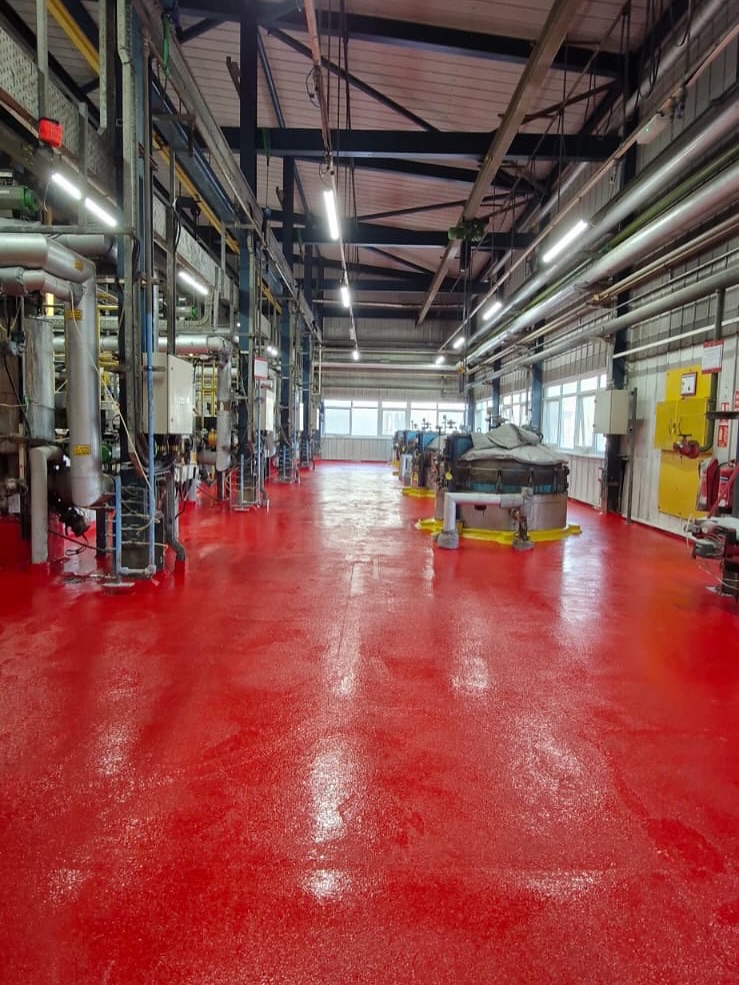
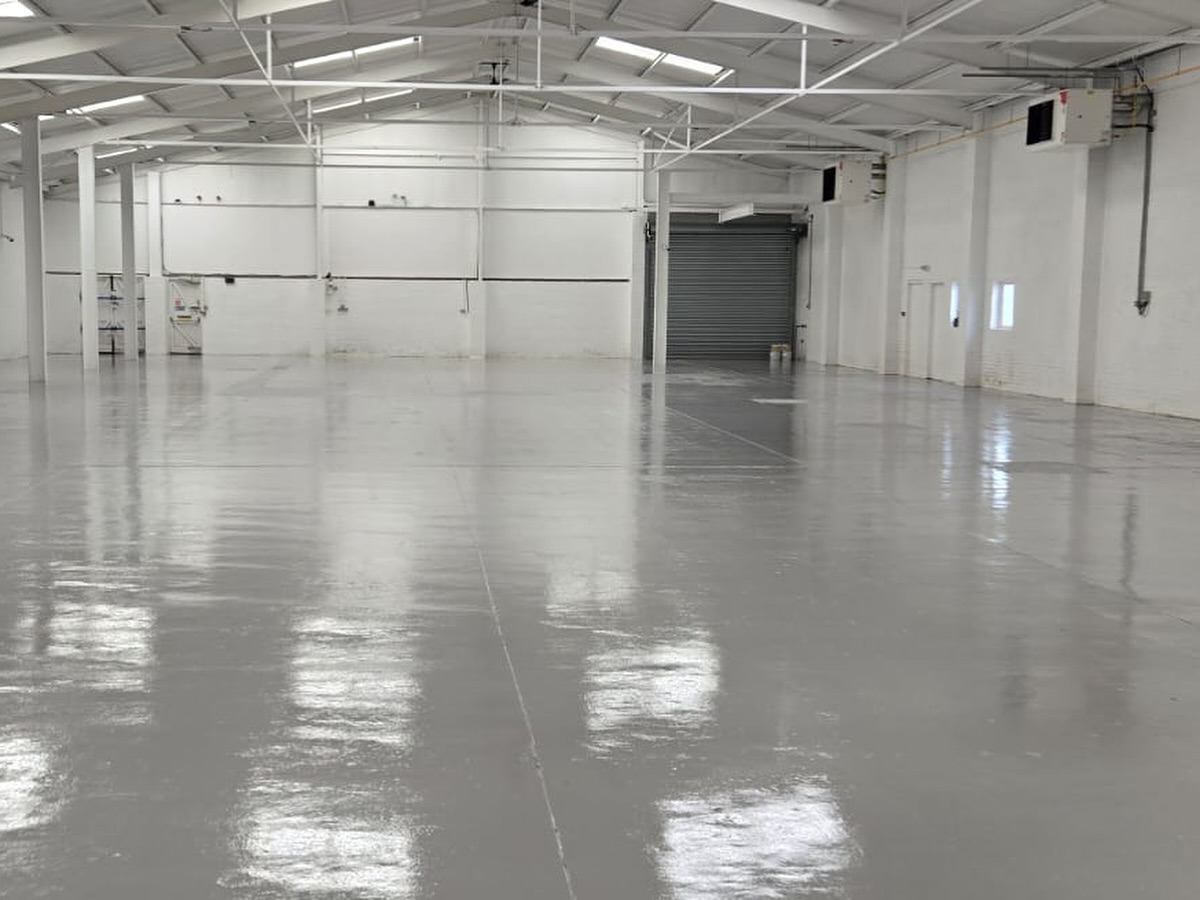
Chemical Floor Installation and Service Specification
Chemical resistance begins with substrate assessment. Anglia Decor's team evaluates the concrete slab condition, moisture content, and the chemical exposure profile of the facility, types and concentrations of chemicals in use, frequency of exposure, wash-down methods, temperature ranges, and compliance requirements, before specifying the system. A high-end vinyl ester or Skydrol-resistant system is overkill (and unnecessary cost) if the facility only handles moderate chemical spillage; a high-build solvent-free epoxy or standard resin flooring system may be adequate. But when exposure is severe, the risk of failure is high, and contamination costs are significant, an upgraded specification is essential insurance. That assessment is what separates a specification that lasts 15 to 20 years from one that stains, blisters, or fails under chemical attack.
Surface preparation is non-negotiable in chemical-resistant applications. Diamond grinding or shot blasting removes all contaminants, oils, residues, laitance, and old coatings that would prevent the resin from bonding properly. The substrate is profiled to open the pore structure of the concrete, creating a mechanical key that bonds the coating chemically to the slab. Cracks are filled with epoxy or polyurethane repair compounds before the main system is applied. The entire floor must be neutralised if acid or caustic residues are present, incomplete decontamination is the most common cause of premature failure. Once the substrate is prepared and primed, the resin system is applied in multiple coats, typically primer, body coat, and seal coat, with full curing between each layer. Light foot traffic is possible within 24 hours, with full chemical exposure tolerance from 72 hours.
Bund linings and secondary containment areas require special attention. Anglia Decor designs and installs chemical-resistant flooring with integrated bund edge details and upstands to contain spills and prevent chemical migration to adjacent areas. Pharmaceutical and laboratory facilities using laboratory flooring systems benefit from the same seamless specification, no joints means no cross-contamination routes and easier decontamination. Anglia Decor has fitted chemical-resistant floors in laboratories, manufacturing plants, battery assembly facilities, plating shops, and water treatment plants for over 15 years. Every installation includes a chemical resistance chart specific to the facility, detailing which chemicals the system resists, exposure limits, and maintenance requirements. A typical 250 m² laboratory or manufacturing floor takes 3 to 4 days from preparation through final coat, scheduled during operational downtime to minimise business interruption.
How It Works
Our straightforward process ensures you get the right solution with minimum hassle
Chemical Survey & Assessment
Identify all chemicals and exposure levels in your facility.
Specification & Planning
Select resin system and create containment design with pricing.
Surface Preparation
Cleaning, repairs, and substrate prep for maximum adhesion.
Installation & Testing
Professional resin application with performance testing and handover.
For tendering enquiries, please email info@angliadecor.co.uk
Why Businesses Trust Anglia Decor for Chemical Resistant Flooring
Trusted by businesses across the UK for expert, reliable service
Chemical Resistance Specialists
Over 30 years specifying and installing high-build solvent-free epoxy, vinyl ester, PU resin screeds, and Skydrol-resistant systems for laboratories, manufacturing, aviation hangars, and chemical storage facilities.
Chemical Exposure Assessment
We evaluate your chemical environment, exposure profiles, and containment requirements to specify the right system, not oversized systems, not undersized ones.
Large-Scale & Complex Facilities
Full facility refurbishments, multi-area manufacturing plants, bund linings, secondary containment systems, and phased rollouts across operational sites.
Minimal Disruption
Weekend and after-hours installation scheduled around your production and laboratory schedules so operations continue uninterrupted.
Chemical Safety & Compliance
Specifications meet COSHH regulations, environmental containment requirements, and industry-specific chemical handling standards for pharmaceutical and manufacturing environments.
Reliable & Straightforward
Transparent pricing, chemical resistance data sheets, maintenance guidance, and a dedicated project manager on every job.
Case Studies
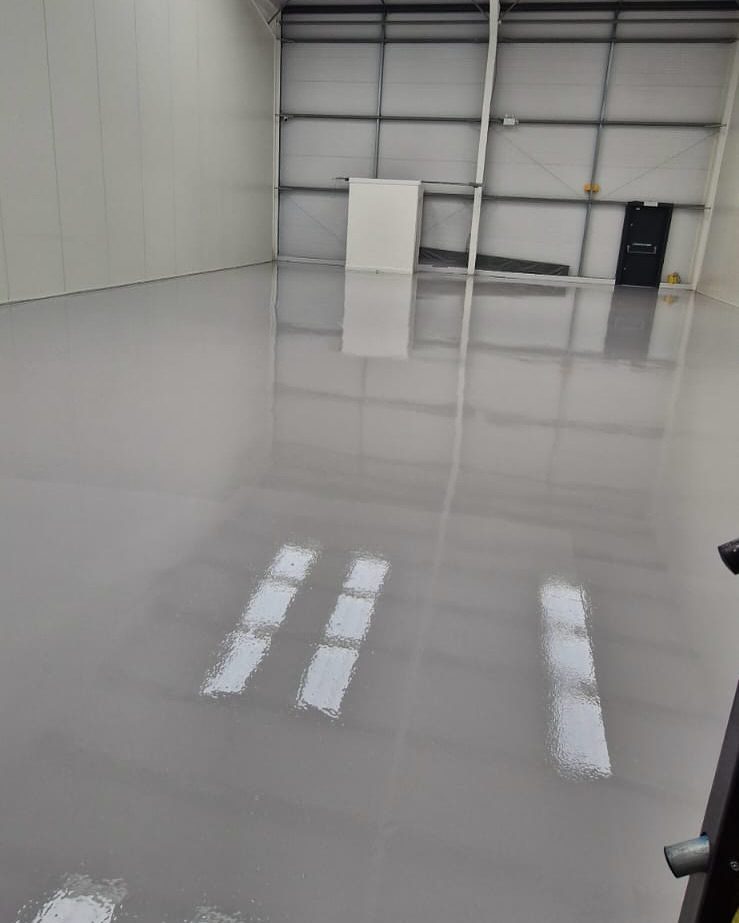
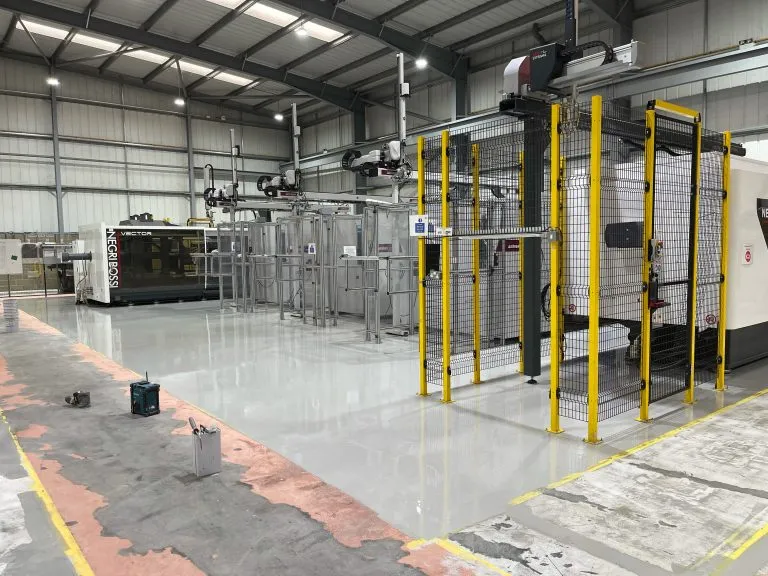
Real projects delivered by Anglia Decor. See the work we've completed for businesses like yours.
Trusted by leading brands






Frequently Asked Questions
What is the best flooring for chemical resistance?
For most environments a high-build solvent-free epoxy delivers excellent chemical resistance. Vinyl ester systems handle caustic environments with faster cure times, PU resin screeds add thermal-shock and impact tolerance, and Skydrol-resistant systems are specified for aviation hangars where airplane hydraulic fluid is present. Most resins cope with acids and alkalis provided spills are washed down rather than left to dwell. The right choice depends on your chemical exposure profile and facility type.
Does chemical resistant flooring resist acids and alkalis?
Yes. High-build solvent-free epoxy, vinyl ester and PU resin screed systems resist sulfuric acid, hydrochloric acid, sodium hydroxide, and other aggressive chemicals, provided spills are washed down rather than left to dwell. The coating is impervious, chemicals sit on the surface and can be safely wiped away without penetrating the concrete beneath.
Can you install bund linings and secondary containment?
Anglia Decor installs seamless chemical-resistant flooring with integrated bund edges and upstands for secondary containment around chemical storage areas and processing zones. No joints means no cross-contamination routes and easier decontamination.
How long does chemical flooring installation take?
A typical 250 m² laboratory or manufacturing floor takes 3 to 4 days from surface preparation through final coat. Work is scheduled during operational downtime to minimise disruption to production or laboratory schedules.
What is FeRFA classification for chemical resistance?
FeRFA Types 5 and 6 are high-build resin systems designed for severe chemical exposure. Type 5 typically covers vinyl ester and heavy-duty PU resin screed systems, while Type 4 covers standard epoxy. Higher types indicate greater durability and chemical resistance.
Is chemical resistant flooring easy to clean and maintain?
Yes. The seamless, non-porous surface resists staining and chemicals cannot penetrate, making decontamination straightforward with standard washing and approved cleaning agents. Maintenance requirements are documented in the chemical resistance chart provided with every installation.
Does Anglia Decor provide chemical resistance charts?
Every installation includes a chemical resistance chart specific to your facility, listing which chemicals the system resists, maximum exposure limits, cure times before chemical exposure, and maintenance procedures.


Ready to Start Your Chemical Resistant Flooring Project?
Our chemical resistant flooring specialists will assess your facility and provide a tailored solution with minimal downtime.