
Anglia Decor are industrial painting, flooring, roofing and cladding contractors
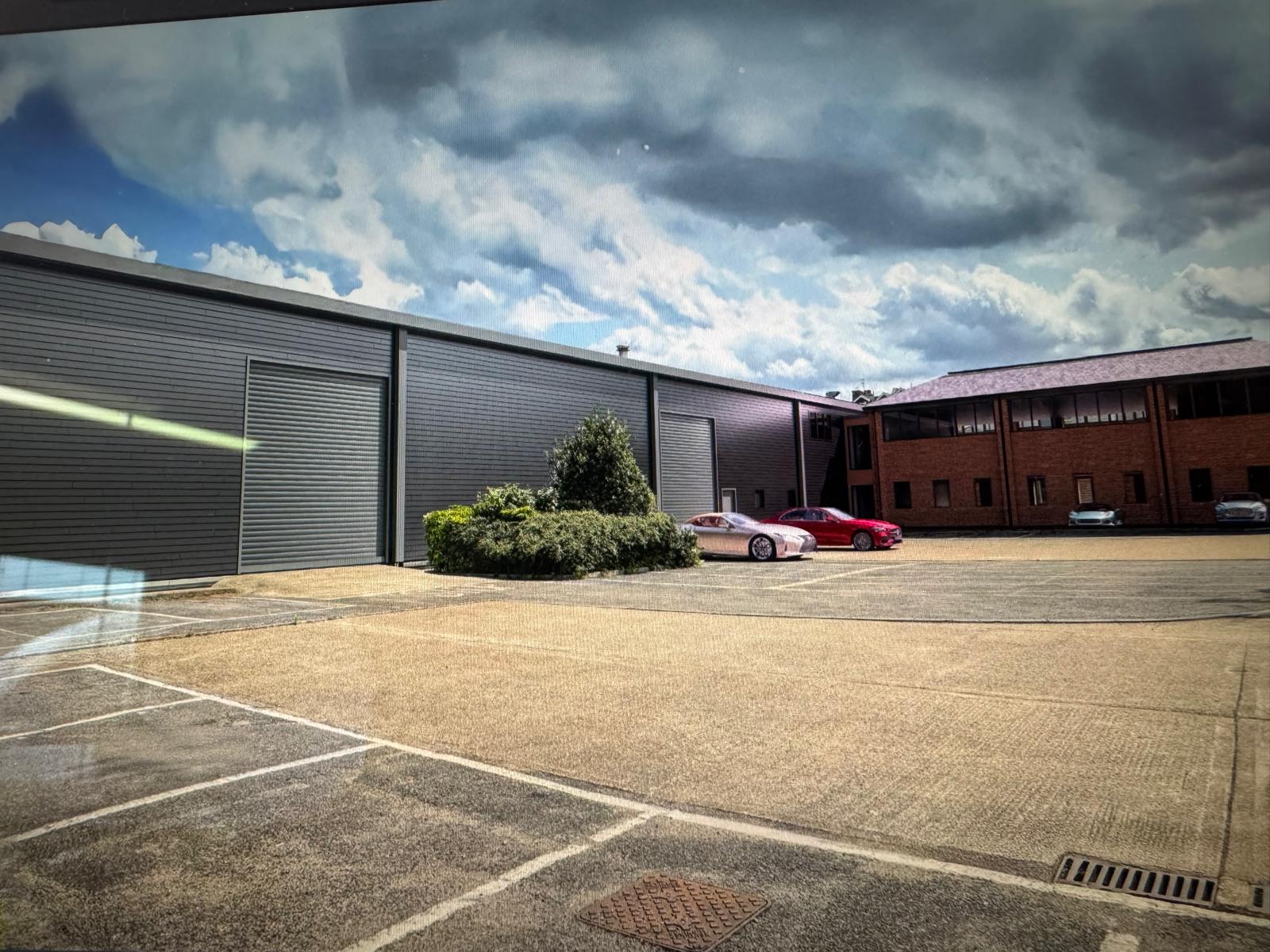
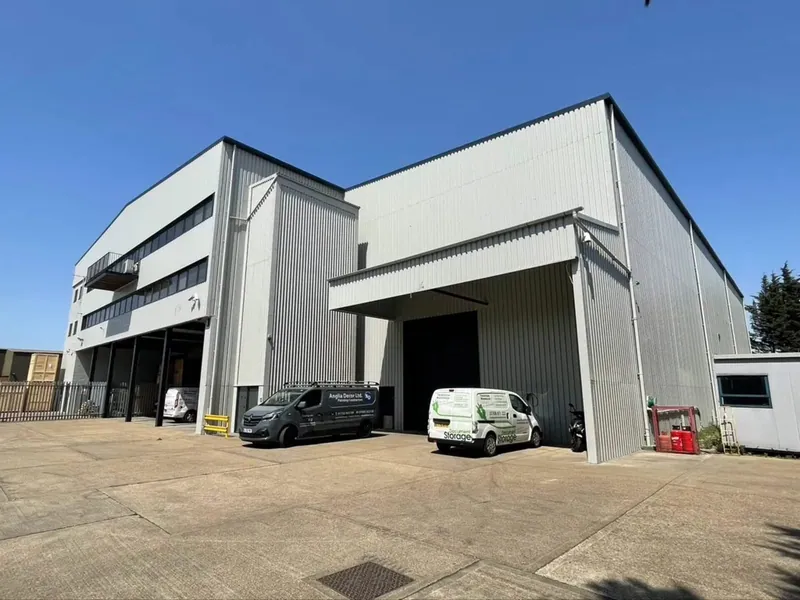
UK Industrial Flooring, Roofing & Cladding Contractors
Anglia Decor are specialist contractors in resin and epoxy flooring, industrial roofing, cladding installation and industrial painting. Based in Essex and covering London and the southern counties, our experienced teams handle every project from survey to completion.
Trusted by leading brands






Explore All Services
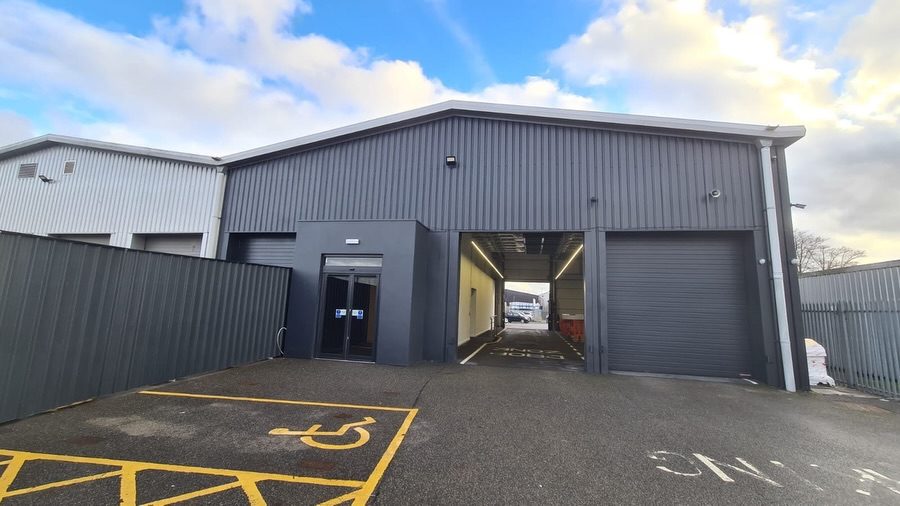
Industrial Painting Contractors
Exterior and interior industrial painting, corrosion protection & full building refurbishments.
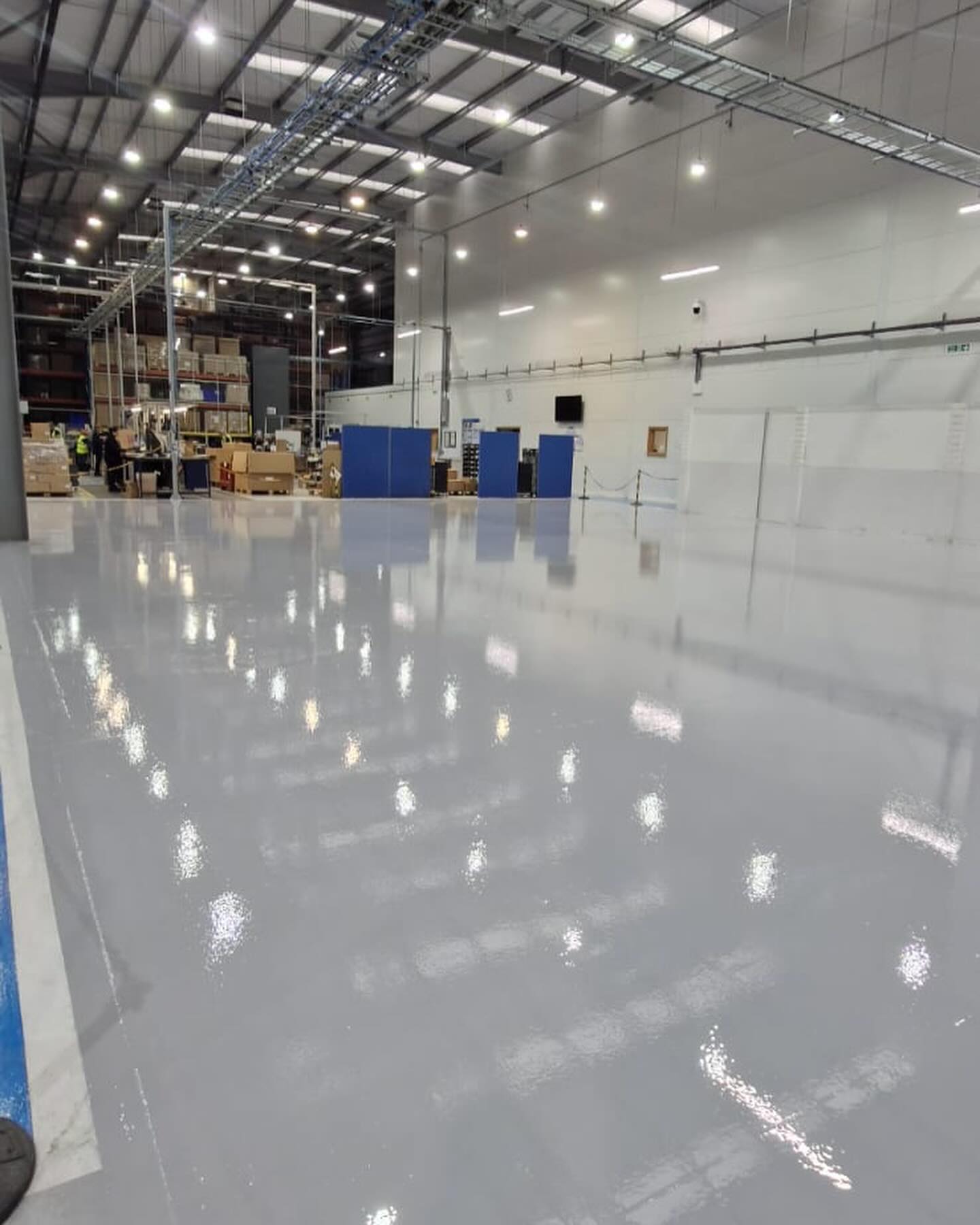
Industrial Flooring Contractors
Industrial epoxy resin flooring, factory floor coatings, safety walkways and warehouses.
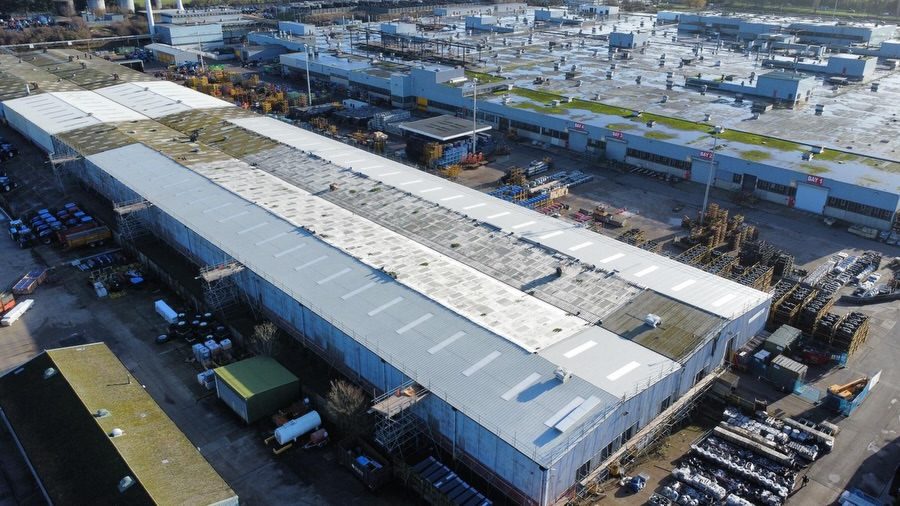
Industrial Roofing Contractors
Industrial roof replacements, repairs and long-term weatherproof protection.
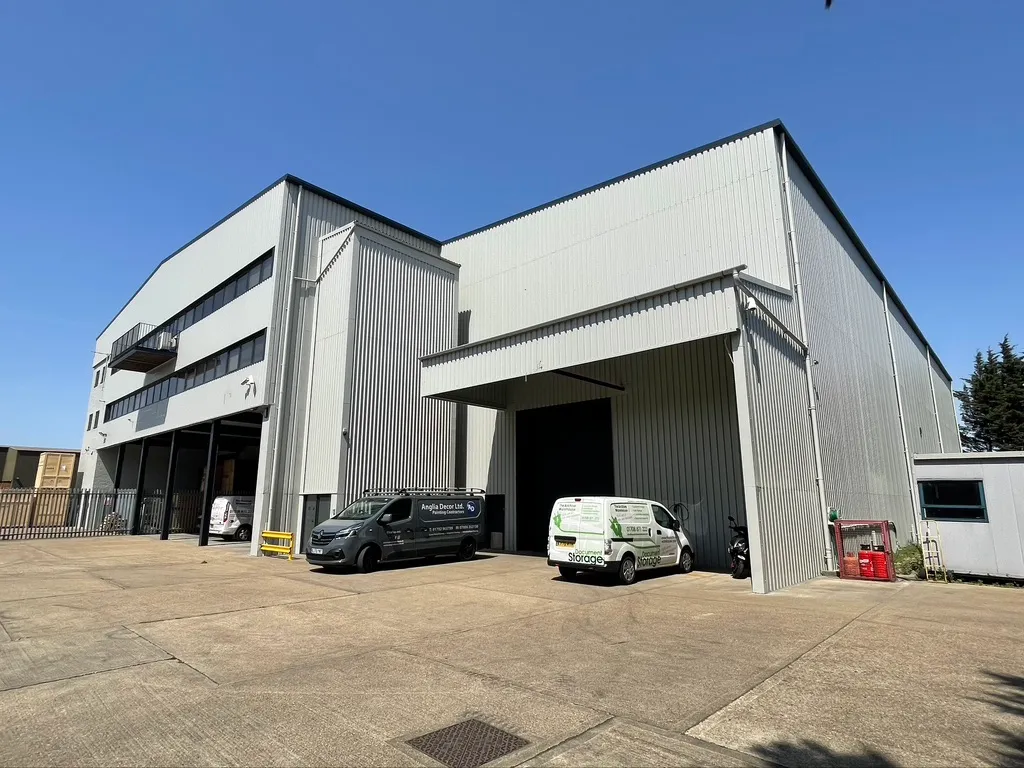
Industrial Cladding Contractors
Cladding installation, refurbishment, spraying and overcladding for industrial and commercial buildings.
Switch between tabs to explore our various services
Factory Painting
Anglia Decor are specialist factory painting contractors working in warehouses, manufacturing plants, distribution centres and industrial units across the UK. Internal walls, ceilings, structural steelwork, floor markings and external elevations , completed on schedule with minimal disruption to your operations.
On-Site Spraying
Anglia Decor are specialist on-site spraying contractors delivering airless and HVLP spray application to cladding, steelwork, roofing, shopfronts and industrial buildings across the UK. Faster coverage, better finish, less disruption , spray application is how large-scale commercial and industrial painting gets done on time and on budget.
Industrial Door Spraying
Anglia Decor are specialist industrial door spraying contractors recoating roller shutters, sectional overhead doors, steel personnel doors and loading bay doors on factories, warehouses and commercial buildings across the UK. Restore faded, corroded doors to factory-fresh condition at a fraction of replacement cost.
Industrial Roof Spraying
Anglia Decor are specialist industrial roof spraying contractors applying protective and waterproofing coatings to metal, profiled steel and asbestos cement roofs on factories, warehouses and industrial buildings across the UK. Extend your roof's working life by 15 to 20 years without the cost and disruption of full replacement.
Protective Coatings
Anglia Decor are specialist protective coatings contractors applying anti-corrosion, chemical-resistant and intumescent fire protection systems to structural steelwork, pipework, tanks, gantries and industrial infrastructure across the UK. Corrosion costs UK industry an estimated £70 billion per year , protective coatings are the first line of defence.
Roof Spraying
Anglia Decor are specialist roof spraying contractors applying weatherproof coatings to metal, tile, slate and flat roofs on commercial, industrial and residential buildings across the UK. Seal, protect and restore your roof for a fraction of the cost of replacement.
Shopfront Spraying
Anglia Decor are specialist shopfront spraying contractors recoating aluminium, steel and UPVC shopfronts, fascias, roller shutters and signage panels on retail units, restaurants, offices and commercial premises across the UK. A full shopfront respray costs 70 to 80% less than replacement and completes in 1 to 2 days.
Structural Steel Fire Protection
Anglia Decor are specialist structural steel fire protection contractors applying intumescent coatings to beams, columns, trusses and connections for 30, 60, 90 and 120-minute fire ratings across commercial, industrial and public buildings in the UK. Third-party certified to ASFP standards with full inspection documentation on every project.
Monocouche Rendering
Monocouche rendering is a single-coat protective system applied directly to concrete, brick and blockwork. Anglia Decor applies factory-grade monocouche renders that protect exposed masonry from weather damage, moisture penetration and salt attack. The finish combines durability with low maintenance, lasting 15-20 years on properly prepared surfaces.
Intumescent Painting
Intumescent coatings are fire-protection paints that expand when exposed to extreme heat, creating an insulating char layer that protects underlying steel from reaching critical temperatures. Anglia Decor applies intumescent systems to structural steel in factories, warehouses, high-rise buildings and industrial facilities to meet building regulations and achieve specific fire ratings: 30, 60, 90 or 120 minutes.
Heritage Decorations
Listed buildings and period properties require specialist painting approaches that preserve historic character while meeting modern durability standards. Anglia Decor applies lime-based paints, heritage-specification finishes and colour schemes appropriate to building age and architectural style. We work with conservation officers and building control to deliver decorations that enhance rather than damage irreplaceable structures.
Farm Painting
Agricultural buildings endure harsh environments: high moisture, ammonia and uric acid from livestock, salt spray in coastal regions, and extreme temperature swings. Anglia Decor applies specialist coatings to barns, grain stores, livestock sheds and steel frames that resist corrosion, ammonia attack and weather exposure. Our farm painting protects your buildings for 10-15 years with minimal maintenance, preserving asset value and animal welfare standards.
Cherry Picker Painting
Cherry picker painting provides safe access to heights up to 45 metres for painting industrial facades, cladding, structural steel and roofs. Anglia Decor operates IPAF-certified mobile elevated work platforms (MEWPs) and cherry picker trucks, enabling fast, efficient painting of large vertical surfaces without scaffolding costs or multi-week installation delays. Our MEWP teams work across factory facades, warehouse roofs and tall commercial buildings throughout East Anglia and beyond.
Commercial Painting & Decorating
Anglia Decor are specialist commercial painting and decorating contractors working in offices, showrooms, retail units, car dealerships and public buildings across the UK. Professional finishes delivered on schedule with minimal disruption to your business operations.
Dilapidations
Anglia Decor are specialist dilapidation contractors delivering end-of-lease refurbishment for factories, warehouses and commercial properties. From cladding dilapidation services to internal painting, flooring and roofing remediation — we manage the entire Schedule of Dilapidations process, keeping costs controlled and protecting your position.
Polyurethane Resin Flooring
Anglia Decor are specialist polyurethane flooring contractors installing PU screeds for food production, commercial kitchens, cold storage and pharmaceutical manufacturing. Thermal shock, moisture, heavy traffic , we spec the system that handles it all without cracking or lifting.
MMA Resin Flooring
Specialist MMA resin flooring contractors installing methyl methacrylate systems in food production, pharmaceutical and commercial facilities , cures in under 2 hours.
Anti-Static Flooring
Specialist anti-static and ESD flooring contractors installing conductive and dissipative resin systems for data centres, electronics and pharmaceutical facilities.
Chemical Resistant Flooring
Anglia Decor are specialist chemical resistant flooring contractors. High-build solvent-free epoxy, PU resin screeds, vinyl ester systems, Skydrol-resistant flooring (airplane fuel spill resistant) and acid-resistant systems for laboratories, manufacturing plants, aviation hangars and chemical storage facilities. We match the resin system to your chemical exposure profile so it doesn't break down in six months.
Food Production Flooring
Specialist food production flooring contractors installing HACCP-compliant polyurethane and resin systems for food factories, bakeries, dairies and breweries.
Commercial Kitchen Flooring
Specialist commercial kitchen flooring contractors installing non-slip polyurethane and resin systems for restaurants, hotels, schools and catering facilities.
Hygienic Flooring
Seamless, non-porous resin with coved skirting. No joints, no grout lines, no dirt traps. Used in healthcare, pharma, cleanrooms and food environments where contamination control isn't optional.
Car Garage Flooring
Specialist garage flooring contractors installing heavy-duty epoxy and polyurethane resin floors in MOT bays, workshops and car dealership service centres across the UK.
Epoxy Resin Flooring
Specialist epoxy resin flooring contractors installing high-build coatings and self-levelling screeds for warehouses, factories and commercial buildings.
Cold Storage Flooring
Specialist cold storage flooring contractors installing polyurethane and MMA resin systems for freezers, cold rooms, chill stores and temperature-controlled warehouses.
Laboratory Flooring
Specialist laboratory flooring contractors installing chemical-resistant epoxy and resin systems for research labs, clean rooms and pharmaceutical facilities.
Kennel Flooring
Specialist kennel and cattery flooring contractors installing animal-safe, hygienic resin systems for boarding kennels, rescue centres and veterinary facilities.
Resin Staircase
Slippery stairs cause injuries and liability claims. Anglia Decor applies seamless resin coatings to staircases in factories, warehouses, offices and retail units across the UK. Anti-slip finishes, colour options and safety nosings create safe, durable stairs built to last.
Data Centre Flooring
Specialist data centre flooring contractors installing ESD-safe polymer, epoxy and polyurethane resin systems for server rooms, colocation facilities and hyperscale data centres across the UK.
Plant Room Flooring
Specialist plant room flooring contractors installing chemical-resistant, heat-tolerant epoxy and polyurethane resin systems for boiler rooms, pump rooms, generator rooms and mechanical plant areas.
Industrial Flat Roofing
Anglia Decor are specialist flat roofing contractors installing single-ply membrane, built-up felt, liquid waterproofing and mastic asphalt systems across the UK. 20 to 30-year systems installed without disrupting your operation.
Metal Roofing
Anglia Decor are specialist metal roofing contractors installing profiled steel, standing seam and composite panel roof systems on factories, warehouses, retail units and commercial buildings across the UK. New installations, strip-and-reroof, and overroofing , delivered with full CDM compliance and manufacturer-backed warranties.
Roof Coatings
Anglia Decor are specialist roof coatings contractors applying liquid systems to commercial and industrial properties across Essex and Southeast England. Our installers restore waterproofing, extend roof life by 10–15 years, and eliminate ponding water. We use Sika, Kemper, and Belzona systems certified for 20+ year durability. Zero downtime installation. Competitive pricing with 12-month guarantee included.
Roof Refurbishment
Anglia Decor are specialist roof refurbishment contractors managing complete roof upgrade programmes for factories, warehouses, and commercial complexes. Our refurbishment packages include leak repairs, gutter replacement, membrane recoating, and full overroofing systems. We extend roof life by 15–25 years and eliminate structural water ingress. Licensed teams work with zero production downtime. Fixed-price contracts available.
Roof Cleaning
Anglia Decor are specialist industrial roof cleaning contractors using pressure washing, soft-wash treatments, and specialist equipment to clean commercial roofs. Our teams remove moss, algae, lichen, debris, and weathered coatings from flat roofs, pitched tiles, metal cladding, and gutters. Safe-at-height operatives comply with WAHR and fall-protection standards. Same-day quotes. No damage to existing membranes.
Industrial Roof Repairs
Anglia Decor are specialist industrial roof repair contractors fixing leaks, failed seams, corroded flashings, and damaged membranes on factories, warehouses, and logistic facilities. Our teams diagnose water ingress sources using thermal imaging and identify structural weaknesses before repair.
Emergency Roof Repairs
Anglia Decor operates 24/7 emergency roof repair service for storm damage, catastrophic leaks, and structural failures on factories and warehouses across Essex and Southeast England. Our callout teams respond within 2–4 hours of contact, stabilize damage, provide temporary weather protection, and mobilize permanent repair crews.
Asbestos Roof Replacement
Anglia Decor provide asbestos removal and replacement services for commercial and industrial roofs. We manage complete asbestos roof decking and cladding removal in compliance with HSE Control of Asbestos Regulations 2012, replacing with modern PVC, TPO, or composite systems.
Wall Cladding Installation
Anglia Decor install new wall cladding systems on industrial and commercial buildings across Essex and Southeast England. We specify and fit composite panels, profiled steel, timber cladding, and stone-faced systems matched to structural design and aesthetic goals.
Roof Cladding
Anglia Decor install roof cladding systems on industrial and commercial buildings,profiled metal sheets, composite panels, and overcladding systems for new roofs and refurbishment projects. Our installers specify systems matched to structural design, thermal performance, and aesthetic requirements.
Overcladding & Encapsulation
Anglia Decor install overcladding and encapsulation systems on industrial buildings,upgrading existing roofs and walls without removal of legacy structures. Overcladding adds new weather protection, thermal insulation, and aesthetic improvement.
Wall Cladding Refurbishment
Anglia Decor refurbish existing wall cladding systems,repairing damaged panels, renewing sealants, recoating surfaces, and reinforcing fixings. Our refurbishment programmes extend cladding life 10–15 years cost-effectively, avoiding expensive replacement.
Anti-Corrosion Coatings
Anti-corrosion coating systems protect steelwork, cladding, and industrial infrastructure from oxidation and environmental degradation. Industrial steel assets experience accelerated deterioration in exposed environments,coastal locations, industrial zones, and weather-facing installations corrode at rates exceeding 200 micrometres per year without protective barriers.
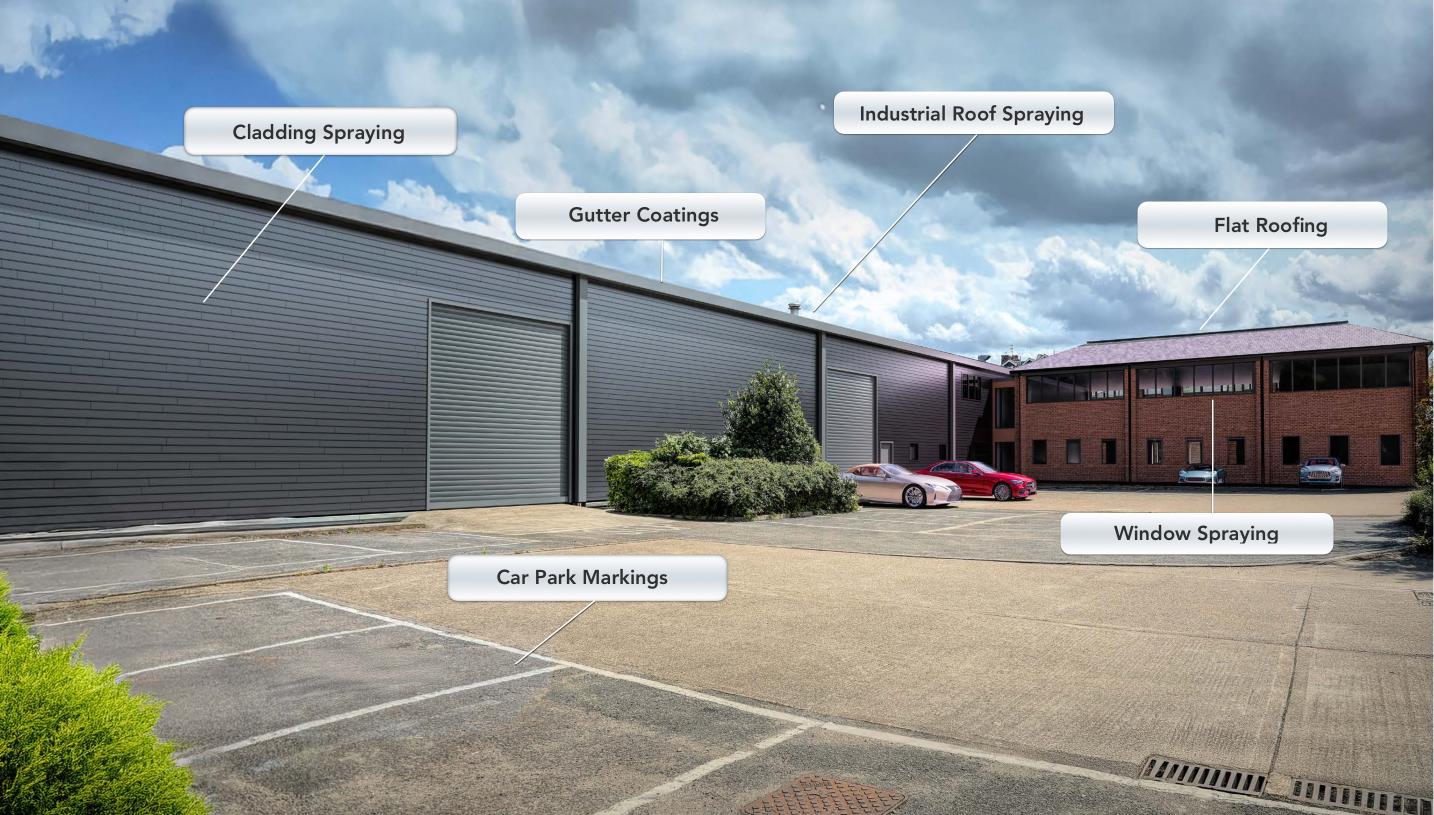
Some of Our Industrial Services at a Glance
A complete overview of the industrial painting, flooring, roofing and cladding services we deliver across Essex and the UK.
Why Businesses Trust Anglia Decor
Great Reviews
Strong reputation built through consistent, high-quality project delivery since 2009. Reviews from facilities managers, main contractors and property owners reflect the standards we work to on every job.
£10m Liability Insurance
Full £10 million public liability and employers liability insurance on every project. From small refurbishments to multi-phase industrial sites, you have the cover and peace of mind to match.
CHAS Accredited
CHAS-accredited contractor meeting recognised health, safety and competency standards. Our operatives are well trained, supervised on site, and work to documented method statements and risk assessments.
Well-Managed Projects
Every job has a named project manager, clear programme and weekly progress updates. Site teams are well trained, properly supervised and equipped to deliver on time, with minimal disruption to your operations.
No-Quibble Warranties
We stand behind our work with honest, no-quibble warranties on every project — typically 10 to 25 years on coatings and cladding systems, with 10-year insurance-backed guarantees available for extra peace of mind.
Honest Advice
If there is a better option for your project, we will tell you — even if it means we don't quote. No jargon, no hidden costs, no surprises. That straightforward approach is why clients return year after year.
UK Specialists in Industrial Painting, Flooring, Roofing and Cladding
We paint factories. We lay resin floors in warehouses. We replace roofs on industrial units and re-clad buildings that have seen better days.
Four trades, one contractor. One project manager, one point of accountability.
Our teams also handle door spraying, shopfront resprays, anti-corrosion treatments, structural steel fire protection and emergency roof repairs. If it's part of the building envelope, we work on it.
Based in Essex. Working nationwide.
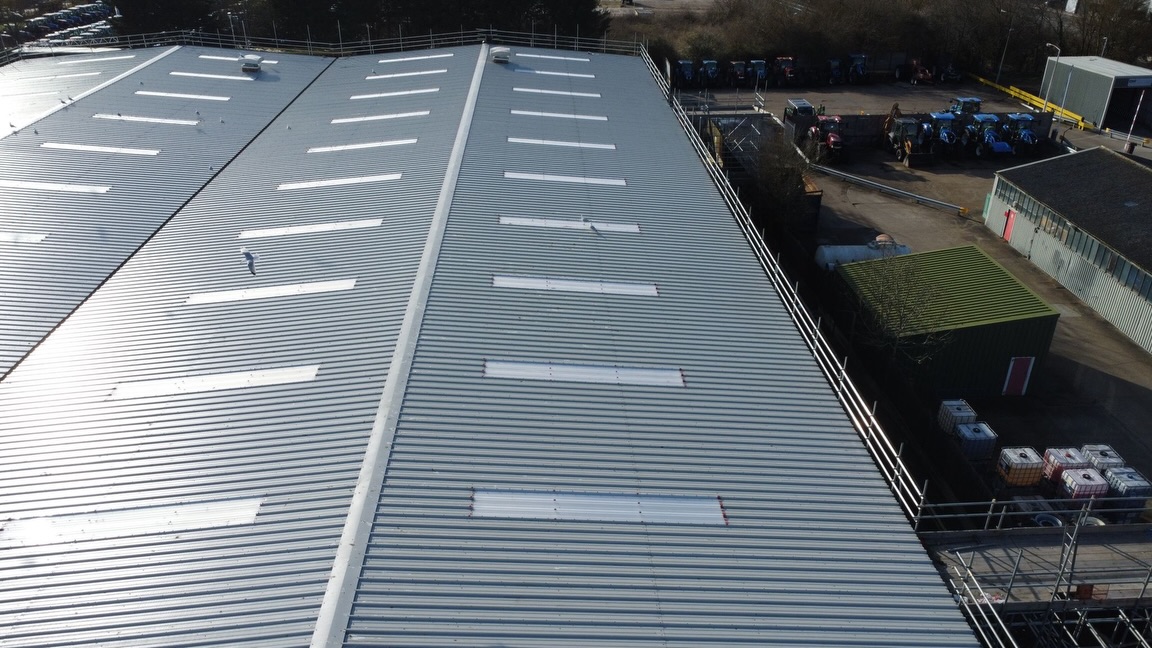
Aerial view of 8,000m² asbestos roof replacement at New Holland Tractor Plant by Anglia Decor
Areas We Cover
Based in Essex, we deliver industrial painting, flooring, roofing and cladding services across the South East and East of England. Jump straight to a service in your area.
Design & Build
Full construction projects, not just finishes
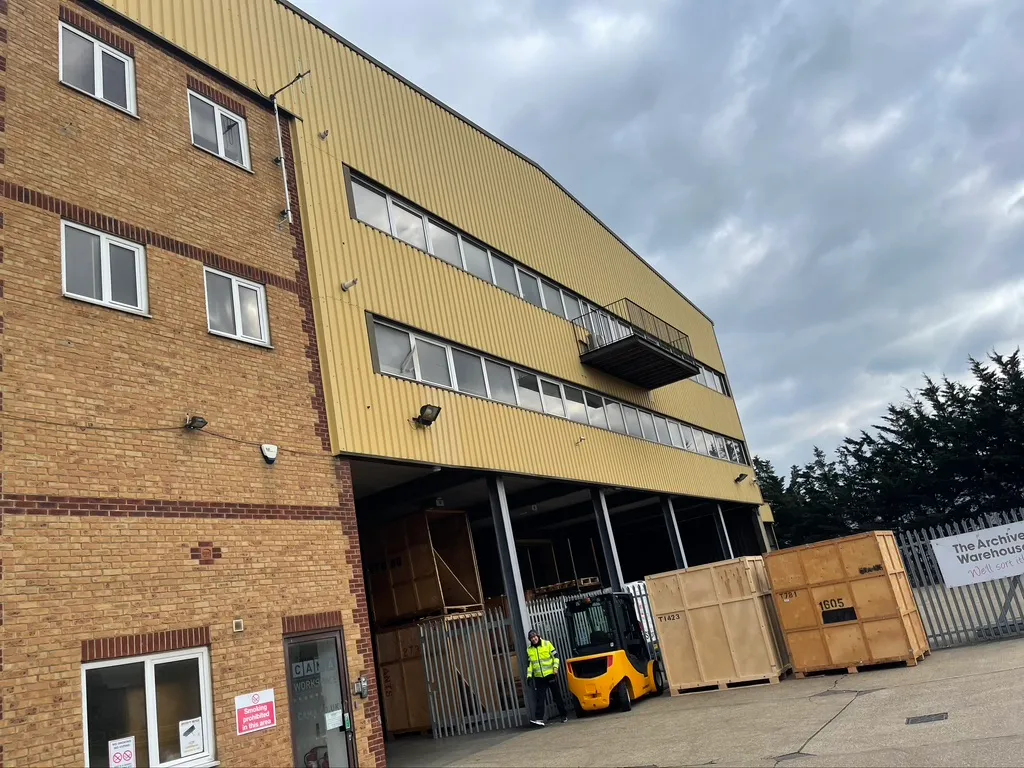
Alongside our painting, flooring, roofing and cladding work, we partner with trusted contractors to deliver complete warehouse construction projects and turnkey industrial building construction schemes across the UK — from steel-frame design and groundworks through to cladding, resin floors and the final coat of paint.
Explore warehouse construction
About Anglia Decor
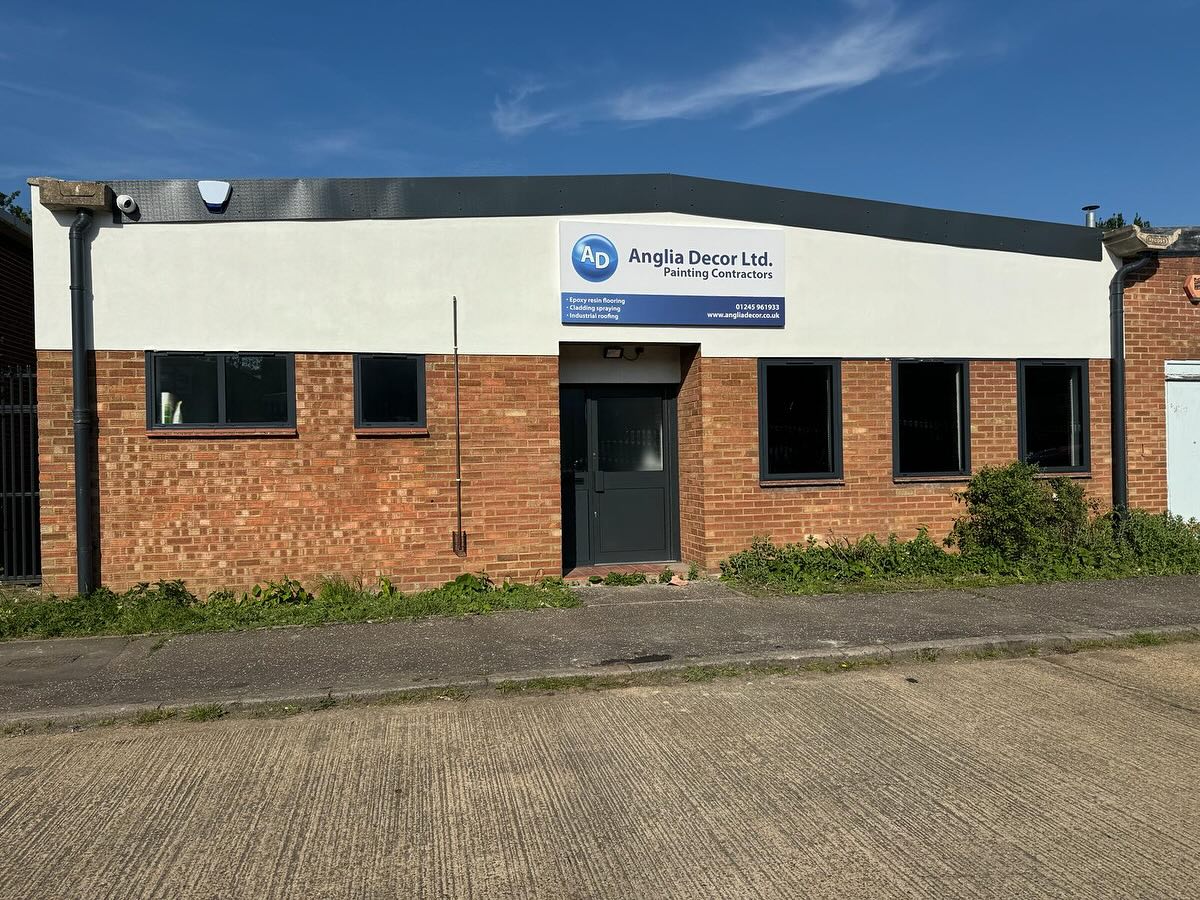
Anglia Decor started in 2009 as a painting contractor. Fifteen years later, we cover industrial painting, resin flooring, commercial roofing and cladding across the UK.
We're based in Great Dunmow, Essex. Our teams work in London, across the South East, through the Midlands and further when the job calls for it.
The people who hire us are facilities managers, property owners, main contractors and local authorities. Jobs range from a warehouse floor coating or factory repaint through to full roof replacements and multi-trade building refurbishments. We've done all of it.
Every project runs to one standard. We won't quote a job if there's a better alternative for you, and we back every project with no-quibble warranties — typically 10 to 25 years on coatings and cladding, with 10-year insurance-backed guarantees available.
If your building needs work, we'll measure it up, spec the right systems and give you a fixed price. That's how we've always done it.

Why Choose Anglia Decor
- Free site survey & quotation
- No hidden costs or surprises
- CHAS accredited contractor
- CSCS certified operatives
- Fixed price contracts
Call now for instant advice
01702 965799
Request a Free Estimate Today
Fill in your details below and we'll get back to you within 24 hours