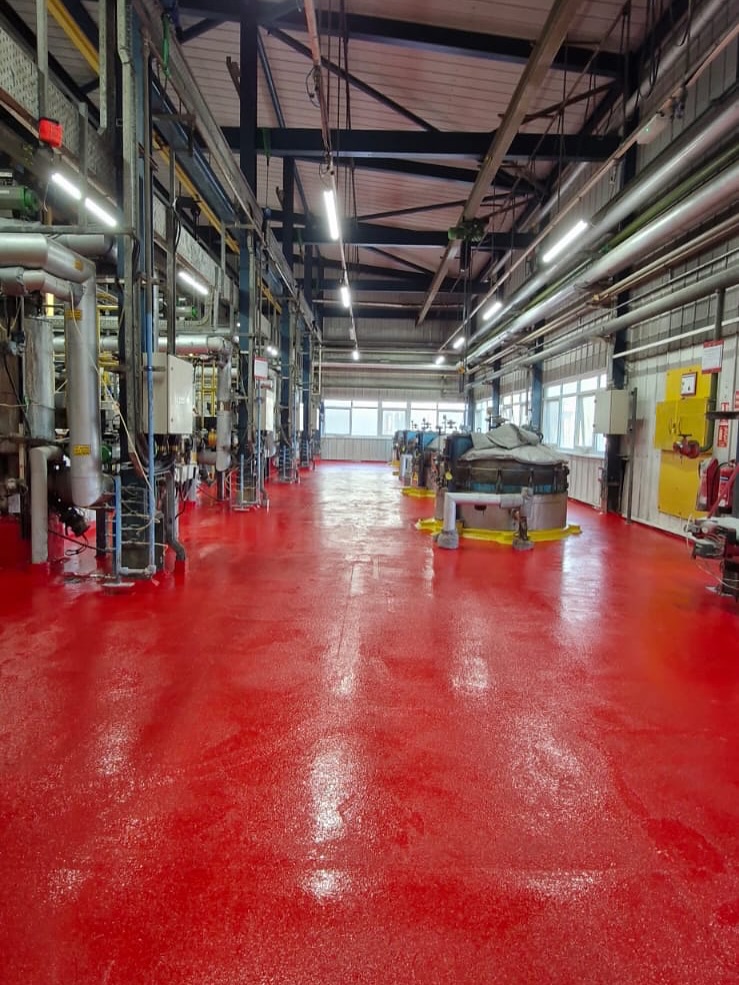
Plant Room Flooring Contractors
Specialist plant room flooring contractors installing chemical-resistant, heat-tolerant epoxy and polyurethane resin systems for boiler rooms, pump rooms, generator rooms and mechanical plant areas.
For tendering enquiries, please email info@angliadecor.co.uk
Chemical-Resistant Plant Room Flooring Systems
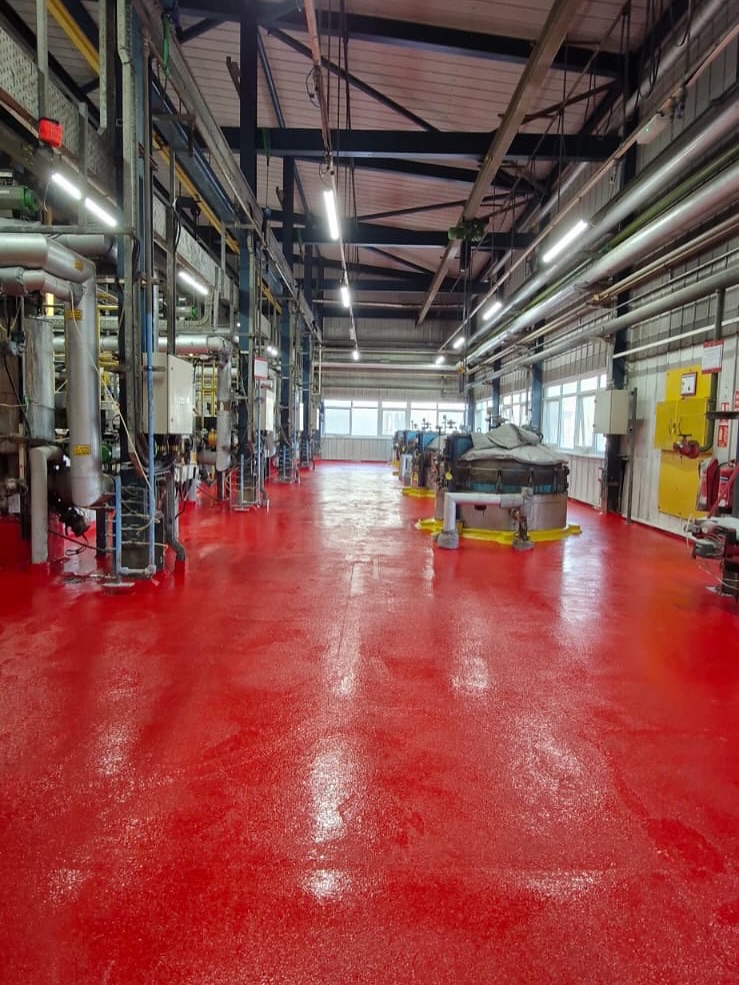
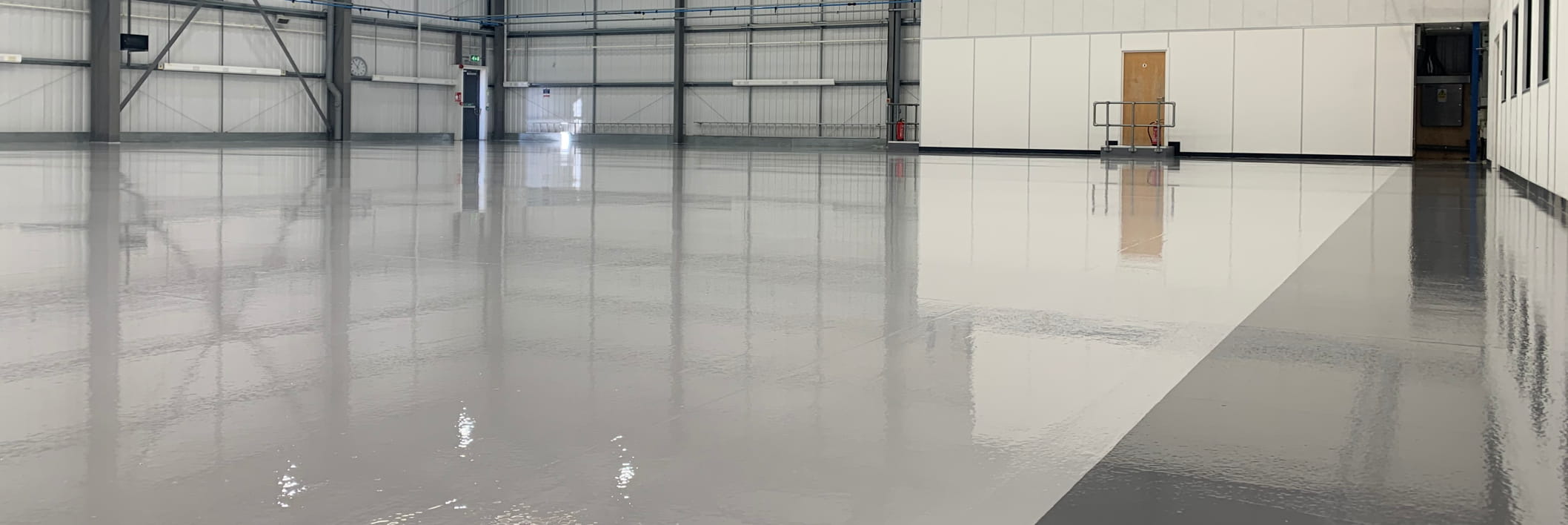
Plant rooms are the hardest-working spaces in any commercial or industrial building, and the flooring takes punishment that standard concrete cannot handle. Boiler rooms leak glycol and heating oil. Pump rooms flood with standing water during maintenance shutdowns. Generator rooms deal with diesel spills, battery acid from UPS systems, and vibration transmitted through the slab 24 hours a day. Chiller plant areas cycle between near-freezing temperatures and ambient conditions, creating thermal stress that cracks rigid coatings. A resin flooring system specified for these conditions bonds to the prepared concrete and creates a seamless, impervious surface that contains spills, resists chemical attack, and handles the mechanical and thermal loads plant rooms generate.
Epoxy resin is the standard specification for most plant rooms. High-build epoxy at 500 microns to 2 mm provides chemical resistance against oils, glycol, cleaning chemicals, and mild acids at a cost-effective price point. For boiler rooms and generator rooms where temperatures regularly exceed 60°C at floor level, or where thermal shock from hot water discharge is a factor, polyurethane flooring systems are specified, PU flexes with thermal movement where rigid epoxy would crack and delaminate. Where the plant room handles aggressive chemicals, battery acid, caustic cleaning solutions, concentrated chemical dosing, chemical-resistant flooring with vinyl ester or PU resin screed provides the inert barrier the substrate needs.
Anti-slip finishes are standard in every plant room specification. Water, oil, and condensation make plant room floors permanently wet underfoot. Anglia Decor incorporates aluminium oxide or quartz aggregate into the resin surface to achieve the slip resistance rating the HSE requires for wet industrial environments. Bunded containment zones around oil storage, chemical dosing equipment, and fuel tanks are formed as part of the floor installation, integrated coving and upstands contain spills at source and prevent contamination reaching drains or neighbouring areas.
Plant Room Floor Installation and Bunding
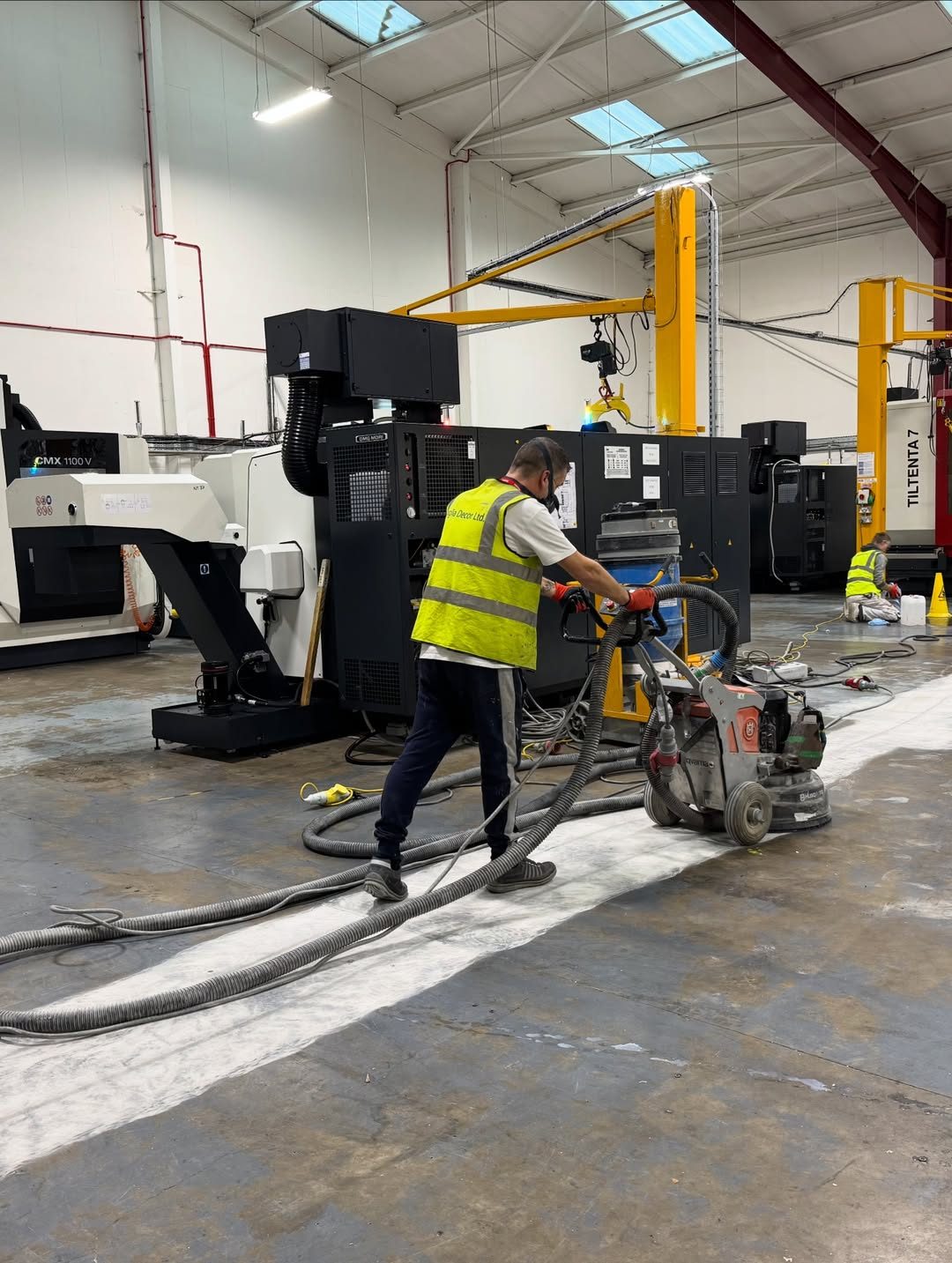
Surface preparation in plant rooms is more involved than standard industrial floors. Decades of oil contamination soak into unprotected concrete and prevent resin adhesion. Anglia Decor shot blasts or diamond grinds the slab to remove contaminated concrete, old coatings, and surface contaminants. Oil-saturated areas are treated with specialist degreasers and may require deeper grinding to reach clean substrate. Cracks around equipment bases, pipe penetrations, and expansion joints are routed out and filled with flexible epoxy filler. If the slab has rising moisture, common in basement and ground-floor plant rooms, a moisture-tolerant primer or DPM system goes down before the main coating.
Bunding is a critical part of plant room flooring. Environmental regulations require secondary containment around oil storage, fuel tanks, chemical dosing systems, and any equipment that handles polluting substances. Anglia Decor forms bund walls and containment areas as an integral part of the resin floor system, coving is taken up walls and around equipment plinths to create seamless containment that holds 110% of the largest vessel's capacity. The bunded area drains to a controlled point, not to the building's surface water system. This approach is more reliable and longer-lasting than retrofitted bund liners or separate containment trays.
Installation in live plant rooms is phased around the building's operational requirements. Heating systems, chillers, and generators cannot simply be switched off, so Anglia Decor works in zones around running equipment, maintaining access for maintenance and emergency shutdowns throughout. Weekend and overnight installations are standard for critical plant areas. A typical plant room of 50 to 200 m² takes 3 to 5 working days from surface preparation through to full cure, depending on system type and the complexity of bunding and containment detailing. Every installation includes a post-cure inspection and a handover pack with maintenance guidance and chemical resistance data.
View Some of Our Flooring Work
Swipe to see more images

Need Plant Room Flooring?
Chemical-resistant, heat-tolerant systems with integrated bunding. Free site survey and specification.
How It Works
Our straightforward process ensures you get the right solution with minimum hassle
Plant Room Survey
Assess chemical exposure, temperatures, equipment loads and bunding requirements.
Specification & Quotation
Specify resin system, anti-slip profile and containment detailing.
Surface Preparation
Shot blast, degrease and repair substrate around existing equipment.
Installation & Handover
Apply resin system with bunding, anti-slip finish and post-cure inspection.
For tendering enquiries, please email info@angliadecor.co.uk
Why Businesses Trust Anglia Decor for Plant Room Flooring
Trusted by businesses across the UK for expert, reliable service
Chemical & Oil Resistant
Systems resist glycol, diesel, hydraulic oil and cleaning chemicals.
Heat & Thermal Shock Tolerant
Polyurethane options handle temperatures above 60°C without cracking.
Anti-Slip Wet Environments
Aggregate-loaded finishes meet HSE slip resistance requirements.
Integrated Bunding
Seamless containment zones formed as part of the floor system.
Heavy Equipment Load Bearing
Specified for generators, boilers, pumps and chiller units.
Live Plant Room Installation
Phased work around operational equipment with no shutdowns.
Case Studies
Real projects delivered by Anglia Decor. See the work we've completed for businesses like yours.
Trusted by leading brands






Frequently Asked Questions
What type of flooring is best for a plant room?
Epoxy resin is the standard choice for most plant rooms, chemically resistant, seamless, and cost-effective. Polyurethane is specified where high temperatures, thermal shock, or heavy vibration are factors, such as boiler rooms and generator rooms. For aggressive chemical environments like battery rooms or chemical dosing areas, vinyl ester or PU resin screed provides the highest level of chemical resistance.
Do plant room floors need bunding?
Yes, in most cases. Environmental regulations require secondary containment around oil storage, fuel tanks, and chemical dosing equipment. Anglia Decor forms bund walls and containment areas as part of the resin floor installation, seamless coving taken up walls to contain 110% of the largest vessel's capacity. This is more reliable than separate bund liners or trays.
Can plant room flooring be installed while equipment is running?
Yes. Anglia Decor phases installations around live equipment so heating systems, chillers, and generators keep running. We work in zones, maintaining access for maintenance and emergency shutdowns throughout. Weekend and overnight shifts are standard for critical plant areas.
How long does plant room flooring last?
A properly specified and installed resin floor in a plant room lasts 10 to 15 years depending on chemical exposure, temperature cycling, and maintenance. Polyurethane systems in boiler rooms handle thermal stress better and typically last longer than epoxy in high-temperature environments.
Is plant room flooring anti-slip?
Yes. All Anglia Decor plant room floors incorporate anti-slip aggregate, aluminium oxide or quartz, into the resin surface. Plant rooms are permanently wet from condensation, leaks, and maintenance, so achieving the correct slip resistance rating is essential for HSE compliance and staff safety.
How much does plant room flooring cost?
Plant room resin flooring typically costs £40 to £90 per m² depending on system type, chemical resistance requirements, anti-slip specification, and bunding complexity. Epoxy coatings are at the lower end, polyurethane mid-range, and specialist chemical-resistant systems at the higher end. Every quote includes surface preparation, bunding, anti-slip finish, and post-cure inspection.

Ready to Start Your Plant Room Flooring Project?
Our plant room flooring specialists will assess your facility and provide a tailored solution with minimal downtime.